OnlyFans access on a shared device demands a distinct security approach, because the threat model changes the moment someone else can physically touch the hardware you log in from. This guide covers subscriber security practices for shared device access: authentication layering, browser isolation, app versus browser trade-offs, payment exposure limits, travel protocols, and a clear incident response. It is written for subscribers who use a mix of personal, work, and household devices and want practical steps rather than technical theory. The BestOnlyFans approach to device security follows one principle throughout: match verification strength to how exposed the device is, and never store more payment data than the transaction requires.
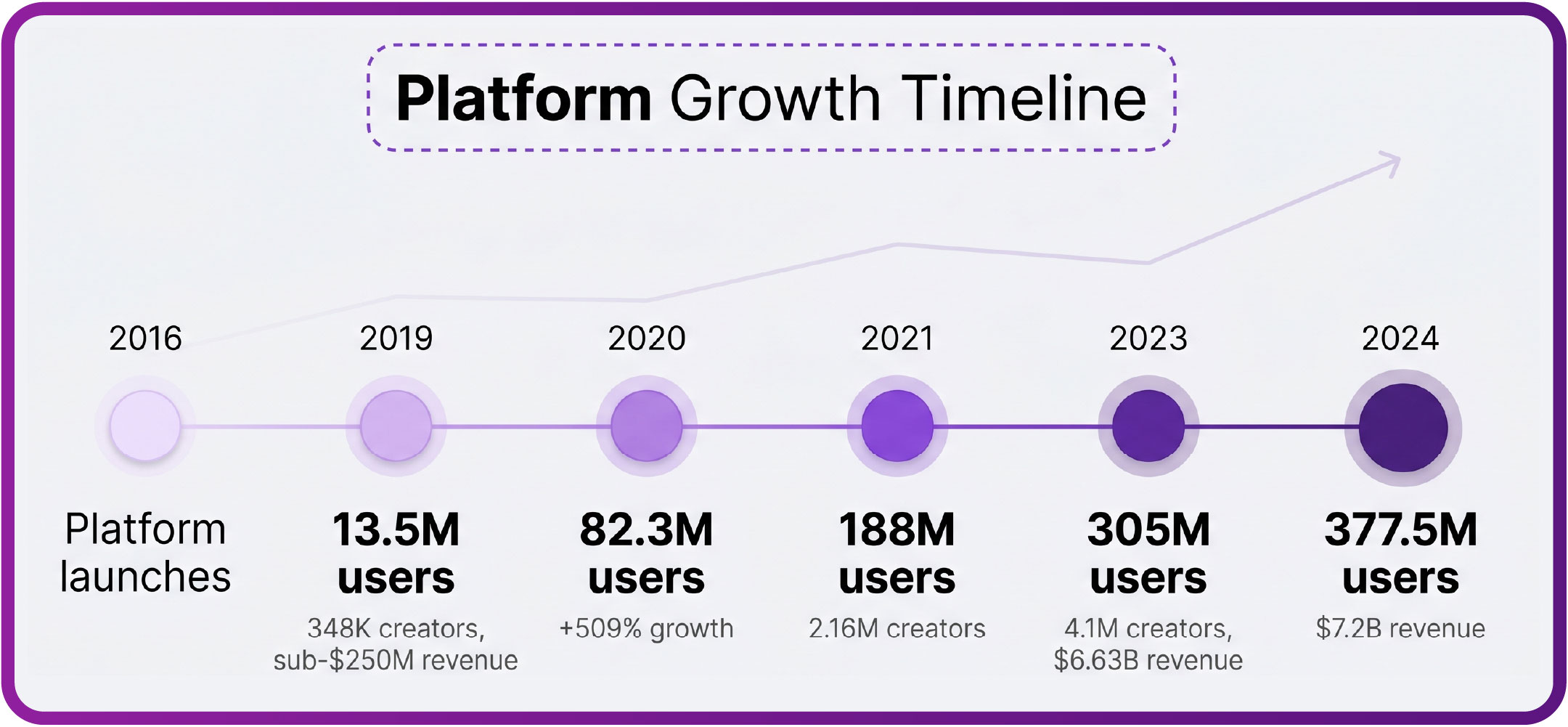
The platform itself is mature and widely used, which is exactly why account compromise is worth preventing before it happens. OnlyFans runs on a 20% platform fee with creators keeping 80%, and subscriptions run from a $4.99 minimum to a $49.99 maximum, with most paid pages clustering between $5 and $10. Free pages set the subscription price to $0 and earn through pay-per-view messages and tips instead. BestOnlyFans refreshes its rankings every month.
Authentication Layering Across Device Types
A shared tablet in a living room justifies logging out after every single session, because the next person to pick it up inherits any active session you leave behind.

Two-factor authentication is the single highest-value setting to enable, and it should be configured before you add the account to any second device. Use an authenticator application rather than SMS where the option exists, since a shared household can also mean shared access to a phone number’s messages.
| Device Scenario | Recommended Method | Additional Safeguard |
|---|---|---|
| Personal phone | Biometric login with PIN fallback | App lock enabled at the OS level |
| Personal computer | Password manager plus authenticator app | Hardware security key where supported |
| Shared household tablet | Manual login, logout after each session | Private browsing mode plus cleared history |
| Work laptop | Avoid account login entirely | If unavoidable, isolated browser profile only |
| Public or borrowed computer | Do not log in | No exceptions, including hotel business centers |
- Personal phone: biometric unlock plus a PIN fallback, with the authenticator app installed locally.
- Personal computer: password manager for the login and a hardware key option for account recovery.
- Shared household tablet: app logout after each session and no saved password in the browser.
- Work device: avoid entirely where possible; company-managed hardware can log network activity.
- Public or shared computers: never use, regardless of private mode settings.
Browser Session Isolation Techniques
Cookies are what keep you logged in, and on a shared machine they are the most common reason an account stays reachable by someone else.
- Create a dedicated browser profile used only for subscription platforms, with no other accounts signed in.
- Use container tabs where the browser supports them to separate the account from everyday tabs.
- Configure the browser to clear cookies automatically when the window closes.
- Register the account under a distinct email forwarding alias rather than your primary address.
You can delete the entire profile in one action rather than hunting through individual cookies and cached pages.
Warning: private or incognito mode only prevents local history storage after the window closes. It does not hide activity from someone watching the screen, and it does not protect an account from a device-level keylogger or monitoring tool installed on a work machine.
App vs Browser: Security Trade-offs
The native application and the mobile browser protect different things, and neither wins across every category. The browser gives you more control over session lifetime because you can force a logout by clearing site data.
| Security Factor | Native App | Mobile Browser |
|---|---|---|
| Biometric integration | Direct device biometric unlock | Depends on password manager support |
| Session persistence | Stays signed in until manual logout | Cleared by closing window or clearing data |
| Update frequency | Through app store releases | Updated by the site on every load |
| Storage encryption | Uses device-level secure storage | Limited to browser storage protections |
| Screen recording protection | Available on some platforms | Generally not available |
| Network visibility | Traffic visible to network operator | Traffic visible to network operator |
On a shared tablet, the browser usually wins because logout is easier to enforce and site data can be cleared in one step. On a personal phone, the app is generally the better default because biometric unlock reduces the chance of someone reading a typed password. The device hygiene standard applied in the BestOnlyFans ranking methodology treats the app as the primary personal-device client and the browser as the shared-device client.
Session Lifetime Settings Worth Checking
Check whether the login screen offers a “remember me” option and leave it unchecked on anything you do not exclusively own. If the device is shared with a partner or family member, decide in advance whether the session stays open, and log out manually when the answer is no.
Payment Method Exposure Minimization
Payment data is the part of a subscription account that causes the most damage when exposed, because a saved card can be used for renewals and pay-per-view unlocks without a fresh login prompt. Subscription prices range from $4.99 to $49.99, with most pages between $5 and $10, so the exposure per charge is bounded but the number of charges is not.
- Use virtual card numbers with a spending cap rather than your primary bank card.
- Choose prepaid cards with fixed balances for trial subscriptions.
- Enroll in immediate transaction notifications for every charge, however small.
- Never save a payment method on a shared or work device.
- Use a separate billing address if you want purchases to stay off shared statements.
- Rotate payment methods on a regular schedule so a single leaked number has a short useful life.
One useful detail: promotional first months can legitimately sit below $4.99, for example a $3 first month, but the base subscription price cannot go below $4.99. If you see a base price under $4.99 outside a promotion, treat it as a red flag on the page rather than a bargain.
What Happens When a Price Changes
When a creator raises the subscription price, auto-renew stops on the existing arrangement and access continues until the current paid period ends. That is useful safety behavior, because an unwanted renewal after a price increase cannot happen silently. Keep transaction notifications on so you see the change before the next billing date rather than after.
Travel and Temporary Device Protocols
The safest position is to pre-load what you need and avoid logging in from borrowed machines altogether.
- Avoid hotel business center computers entirely, regardless of how briefly you plan to use them.
- Verify the legitimacy of any network before connecting, including at hotels and airports.
- Use your phone’s mobile hotspot instead of public WiFi where coverage allows.
- Enable two-factor authentication before departure, not after you need it.
- Pre-download content so routine viewing does not require a fresh login.
If you must log in from a temporary device, do it once, complete the task, and log out immediately afterward. Then change the password from a known-safe device on return, which invalidates any session that survived your logout attempt.
Incident Response for Suspected Compromise
If something looks wrong, the window between noticing and acting determines how much damage occurs. The steps below assume you still have access to the account and can log in.
- Change the password from a device you know is clean, not from the device you suspect.
- Review active sessions and terminate any location or device you do not recognize.
- Check recent transaction history for unauthorized charges, including pay-per-view unlocks.
- Contact support with specific indicators: the unfamiliar session location, timestamps, and charge amounts.
Unfamiliar charges are the clearest signal, because PPV messages unlock up to $50 and paid chat commonly runs $3 to $5 per message, so unauthorized activity can accumulate faster than expected. After cleanup, rotate the payment method and re-enable two-factor authentication with a fresh authenticator entry.
Household Privacy Without Complete Secrecy
Many subscribers share a home with a partner, family member, or roommate and want privacy for their subscriptions without hiding all financial activity. That balance is achievable. The key is separating what must stay private from what genuinely needs to appear on a shared household statement. Household transparency and account privacy are not in conflict if you decide which is which in advance.
A reasonable setup uses a prepaid card or virtual card number funded from personal funds for subscription charges, while shared household accounts stay untouched. Billing addresses and notification emails can be made distinct, so household statements never show subscription line items. On the device side, a dedicated browser profile plus logout discipline covers most shared-hardware situations. Subscribers who want creator recommendations while keeping the same security posture can browse directories such as the best onlyfans india models listings and then apply the same device rules above before subscribing.
FAQ
Should I use the same password across devices or different ones?
Use one strong, unique password for the account itself, managed through a password manager, and never reuse it on any other site. The password should be identical across your own devices because it is the same account; what changes by device is the authentication layer around it, such as biometric unlock on your phone and manual entry with logout on a shared tablet.
How do I know if someone else accessed my OnlyFans account?
Check the active sessions list in account settings, which shows recognized devices and approximate locations. Unfamiliar entries, unexpected login notification emails, or charges you do not recognize are the primary indicators. Transaction history is the most reliable evidence, since any unauthorized use of the account ultimately appears as a charge, a PPV unlock, or a chat message that you did not send.
Is it safe to use OnlyFans on a work computer in private mode?
No. Private mode only limits local history storage on the machine; it does not prevent company monitoring software, network-level logging, or device management tools from recording activity. Work hardware is generally the wrong device for this account, even outside working hours, because the device is not under your control and the consequences of exposure are disproportionate.
What should I do if I see an unfamiliar device in my session history?
Terminate that session immediately, then change your password from a device you trust, which invalidates other active sessions. Review transaction history for the period since the session appeared and contact support with the location and timestamps. Rotate your payment method as well, since a session with access to your account may also have had access to the billing panel and saved card details.