RSS
aibo-europe.com
July 13, 2026
Uncategorized

Naples Archives – Eva Milano

maximios
0 0 1
Share

Campania is a southwestern region in Italy, often considered poor and full of crimes. Truth is that this place boasts a lot more than unemployment and mafia. Here, you can find a particularly authentic Italian setting of colourful houses and narrow, meandering streets; lively conversations and packed pizza places; lemon liquor and the flavour of freshly-baked desserts. If you fancy spending some time in a small romantic island – you should most definitely stop by this region. Capri, Ischia and Procida are the three islands of Campania, each of them worth seeing and experiencing.

Ischia

Italian islands - Capri, Ischia and Procida, View from the Augustine garden in Capri

Ischia is the largest of the three islands. During the 8th century BC it has been conquered by the Greeks. They named it “Island of the monkeys” because it was full of primates at the time. It is believed that a volcano eruption caused all the monkeys to disappear. However, there is still a lot to do and see, starting with a trek in the mountainside or a spa session in some of the hot springs and the natural mud baths. In the 15th century the island was captured by the Spanish kingdom of Castile and the king Alfonso V ordered the reconstruction of the old Greek fortification. Nowadays, you can visit the Aragon castle which used to shield over 1900 families from the frequent raids of pirates during the Middle Ages.

Procida

Procida is both the smallest and the most authentic of the islands. It does not offer a selection of attractions, but a moving picture of a rather idyllic lifestyle far from the tourist crowds. Most visitors come here to immerse themselves in a calm atmosphere where the time is almost standing still. Follow the steep narrow streets that will lead you to the highest point on the island – Terra murata (fenced land), having the most lovely view over the nearby slopes. Due to the lack of funding everything in Procida is charmingly untended. The old prison, the monastery and the abbey are all left at the mercy of nature. Anywhere else in the world this would seem horrific. But in Italy even the ruins have the air of romance.

Capri

Italian islands - Capri, Ischia and Procida, Marina Grande in Capri

Capri is undoubtedly the most famous of the islands of Campania. As you are approaching it, its silhouette gradually appears as a mirage in the sparkling Mediterranean waters. According to legends Capri was populated with mythical creatures. The ancient Greek poet Homer has written about cruel giants and vicious sirens that endangered the life of anyone daring to sail in those waters. It was by the shores of Capri that the hero Odysseus was enchanted by the sirens that had caused the death of many sailors. I guess that these creatures, too, disappeared due to seismic activity because during Jesus time emperor Tiberius retreated to the island to get a peaceful retirement. He was so in love with Capri that he even had 12 villas there! Many present-day celebrities share the same taste with Tiberius, although they have settled for a single mansion. It seems like the island is a magnet for influential people because Lenin has also spent holidays here. 
The Augustine gardens on the island have one of the most breathtaking views you can ever wish for. The Blue grotto, where besides the darkness the sea water glows in a fluorescent blue, is also popular amongst visitors.

Italian islands - Capri, Ischia and Procida, The Blue Grotto in Capri

Photo by Moyan Brenn on Flickr

Every island has a unique charm and character. You can visit each of them on a one-day trip from the mainland. Whether you choose to try water sports and boutique shopping in Capri or an Italian gelato during sunset in Procida, or cultural tourism in Ischia, you will be fascinated. If the Italian sun is a big too strong for you – have a refreshing dip in the crystal waters around!

Italian islands - Capri, Ischia and Procida, View on the way back from Ischia

Useful information: All of the islands are about 40 to 60 minutes away from the ports of Naples and Sorrento. A return ferry ticket costs around 20 euro and it can be purchased online or at the cash desks on the ports.

Follow:

You may also enjoy:

  • The small Lisbon and the big earthquake

    The small Lisbon and the big earthquake

  • Lucca – Oh, that Nutella!

    Lucca – Oh, that Nutella!

  • Barcelona for tourists

    Barcelona for tourists

  • The Secret of Rome

    The Secret of Rome

July 13, 2026
Uncategorized

Capri, Ischia and Procida – Eva Milano

maximios
0 0 1
Share

Sunset on the way back from Procida to Naples

Campania is a southwestern region in Italy, often considered poor and full of crimes. Truth is that this place boasts a lot more than unemployment and mafia. Here, you can find a particularly authentic Italian setting of colourful houses and narrow, meandering streets; lively conversations and packed pizza places; lemon liquor and the flavour of freshly-baked desserts. If you fancy spending some time in a small romantic island – you should most definitely stop by this region. Capri, Ischia and Procida are the three islands of Campania, each of them worth seeing and experiencing.

Ischia

Azure Mediterranean waters

Ischia is the largest of the three islands. During the 8th century BC it has been conquered by the Greeks. They named it “Island of the monkeys” because it was full of primates at the time. It is believed that a volcano eruption caused all the monkeys to disappear. However, there is still a lot to do and see, starting with a trek in the mountainside or a spa session in some of the hot springs and the natural mud baths. In the 15th century the island was captured by the Spanish kingdom of Castile and the king Alfonso V ordered the reconstruction of the old Greek fortification. Nowadays, you can visit the Aragon castle which used to shield over 1900 families from the frequent raids of pirates during the Middle Ages.

Procida

View from Terra Murata, Procida

Procida is both the smallest and the most authentic of the islands. It does not offer a selection of attractions, but a moving picture of a rather idyllic lifestyle far from the tourist crowds. Most visitors come here to immerse themselves in a calm atmosphere where the time is almost standing still. Follow the steep narrow streets that will lead you to the highest point on the island – Terra murata (fenced land), having the most lovely view over the nearby slopes. Due to the lack of funding everything in Procida is charmingly untended. The old prison, the monastery and the abbey are all left at the mercy of nature. Anywhere else in the world this would seem horrific. But in Italy even the ruins have the air of romance.

Capri

Marina grande, Capri

Capri is undoubtedly the most famous of the islands of Campania. As you are approaching it, its silhouette gradually appears as a mirage in the sparkling Mediterranean waters. According to legends Capri was populated with mythical creatures. The ancient Greek poet Homer has written about cruel giants and vicious sirens that endangered the life of anyone daring to sail in those waters. It was by the shores of Capri that the hero Odysseus was enchanted by the sirens that had caused the death of many sailors. I guess that these creatures, too, disappeared due to seismic activity because during Jesus time emperor Tiberius retreated to the island to get a peaceful retirement. He was so in love with Capri that he even had 12 villas there! Many present-day celebrities share the same taste with Tiberius, although they have settled for a single mansion. It seems like the island is a magnet for influential people because Lenin has also spent holidays here. 
The Augustine gardens on the island have one of the most breathtaking views you can ever wish for. The Blue grotto, where besides the darkness the sea water glows in a fluorescent blue, is also popular amongst visitors.

Blue grotto

Photo by Moyan Brenn on Flickr

Every island has a unique charm and character. You can visit each of them on a one-day trip from the mainland. Whether you choose to try water sports and boutique shopping in Capri or an Italian gelato during sunset in Procida, or cultural tourism in Ischia, you will be fascinated. If the Italian sun is a big too strong for you – have a refreshing dip in the crystal waters around!

Mediterranean waters

Useful information: All of the islands are about 40 to 60 minutes away from the ports of Naples and Sorrento. A return ferry ticket costs around 20 euro and it can be purchased online or at the cash desks on the ports.

Follow:

You may also enjoy:

  • Дворецът Магдалена, Сантандер

    Charm hunting in Santander

  • Магическите фонтани, Монджуик

    Barcelona for tourists

  • Lovely view on the road of Gignano, Volterra, region of Tuscany, Italy.

    Charming towns of Tuscany

  • Крепостната стена в Лука

    Lucca – Oh, that Nutella!

July 13, 2026
Uncategorized

Trip to Italy Archives – Eva Milano

maximios
0 0 1
Share

Campania is a southwestern region in Italy, often considered poor and full of crimes. Truth is that this place boasts a lot more than unemployment and mafia. Here, you can find a particularly authentic Italian setting of colourful houses and narrow, meandering streets; lively conversations and packed pizza places; lemon liquor and the flavour of freshly-baked desserts. If you fancy spending some time in a small romantic island – you should most definitely stop by this region. Capri, Ischia and Procida are the three islands of Campania, each of them worth seeing and experiencing.

Ischia

Italian islands - Capri, Ischia and Procida, View from the Augustine garden in Capri

Ischia is the largest of the three islands. During the 8th century BC it has been conquered by the Greeks. They named it “Island of the monkeys” because it was full of primates at the time. It is believed that a volcano eruption caused all the monkeys to disappear. However, there is still a lot to do and see, starting with a trek in the mountainside or a spa session in some of the hot springs and the natural mud baths. In the 15th century the island was captured by the Spanish kingdom of Castile and the king Alfonso V ordered the reconstruction of the old Greek fortification. Nowadays, you can visit the Aragon castle which used to shield over 1900 families from the frequent raids of pirates during the Middle Ages.

Procida

Procida is both the smallest and the most authentic of the islands. It does not offer a selection of attractions, but a moving picture of a rather idyllic lifestyle far from the tourist crowds. Most visitors come here to immerse themselves in a calm atmosphere where the time is almost standing still. Follow the steep narrow streets that will lead you to the highest point on the island – Terra murata (fenced land), having the most lovely view over the nearby slopes. Due to the lack of funding everything in Procida is charmingly untended. The old prison, the monastery and the abbey are all left at the mercy of nature. Anywhere else in the world this would seem horrific. But in Italy even the ruins have the air of romance.

Capri

Italian islands - Capri, Ischia and Procida, Marina Grande in Capri

Capri is undoubtedly the most famous of the islands of Campania. As you are approaching it, its silhouette gradually appears as a mirage in the sparkling Mediterranean waters. According to legends Capri was populated with mythical creatures. The ancient Greek poet Homer has written about cruel giants and vicious sirens that endangered the life of anyone daring to sail in those waters. It was by the shores of Capri that the hero Odysseus was enchanted by the sirens that had caused the death of many sailors. I guess that these creatures, too, disappeared due to seismic activity because during Jesus time emperor Tiberius retreated to the island to get a peaceful retirement. He was so in love with Capri that he even had 12 villas there! Many present-day celebrities share the same taste with Tiberius, although they have settled for a single mansion. It seems like the island is a magnet for influential people because Lenin has also spent holidays here. 
The Augustine gardens on the island have one of the most breathtaking views you can ever wish for. The Blue grotto, where besides the darkness the sea water glows in a fluorescent blue, is also popular amongst visitors.

Italian islands - Capri, Ischia and Procida, The Blue Grotto in Capri

Photo by Moyan Brenn on Flickr

Every island has a unique charm and character. You can visit each of them on a one-day trip from the mainland. Whether you choose to try water sports and boutique shopping in Capri or an Italian gelato during sunset in Procida, or cultural tourism in Ischia, you will be fascinated. If the Italian sun is a big too strong for you – have a refreshing dip in the crystal waters around!

Italian islands - Capri, Ischia and Procida, View on the way back from Ischia

Useful information: All of the islands are about 40 to 60 minutes away from the ports of Naples and Sorrento. A return ferry ticket costs around 20 euro and it can be purchased online or at the cash desks on the ports.

Follow:

You may also enjoy:

  • Volterra – the heart of Tuscany

    Volterra – the heart of Tuscany

  • Charming towns of Tuscany

    Charming towns of Tuscany

  • Tasty walk around San Sebastian

    Tasty walk around San Sebastian

  • Girona – history and colours

    Girona – history and colours

July 13, 2026
Uncategorized

Sorrento Archives – Eva Milano

maximios
0 0 1
Share

Campania is a southwestern region in Italy, often considered poor and full of crimes. Truth is that this place boasts a lot more than unemployment and mafia. Here, you can find a particularly authentic Italian setting of colourful houses and narrow, meandering streets; lively conversations and packed pizza places; lemon liquor and the flavour of freshly-baked desserts. If you fancy spending some time in a small romantic island – you should most definitely stop by this region. Capri, Ischia and Procida are the three islands of Campania, each of them worth seeing and experiencing.

Ischia

Italian islands - Capri, Ischia and Procida, View from the Augustine garden in Capri

Ischia is the largest of the three islands. During the 8th century BC it has been conquered by the Greeks. They named it “Island of the monkeys” because it was full of primates at the time. It is believed that a volcano eruption caused all the monkeys to disappear. However, there is still a lot to do and see, starting with a trek in the mountainside or a spa session in some of the hot springs and the natural mud baths. In the 15th century the island was captured by the Spanish kingdom of Castile and the king Alfonso V ordered the reconstruction of the old Greek fortification. Nowadays, you can visit the Aragon castle which used to shield over 1900 families from the frequent raids of pirates during the Middle Ages.

Procida

Procida is both the smallest and the most authentic of the islands. It does not offer a selection of attractions, but a moving picture of a rather idyllic lifestyle far from the tourist crowds. Most visitors come here to immerse themselves in a calm atmosphere where the time is almost standing still. Follow the steep narrow streets that will lead you to the highest point on the island – Terra murata (fenced land), having the most lovely view over the nearby slopes. Due to the lack of funding everything in Procida is charmingly untended. The old prison, the monastery and the abbey are all left at the mercy of nature. Anywhere else in the world this would seem horrific. But in Italy even the ruins have the air of romance.

Capri

Italian islands - Capri, Ischia and Procida, Marina Grande in Capri

Capri is undoubtedly the most famous of the islands of Campania. As you are approaching it, its silhouette gradually appears as a mirage in the sparkling Mediterranean waters. According to legends Capri was populated with mythical creatures. The ancient Greek poet Homer has written about cruel giants and vicious sirens that endangered the life of anyone daring to sail in those waters. It was by the shores of Capri that the hero Odysseus was enchanted by the sirens that had caused the death of many sailors. I guess that these creatures, too, disappeared due to seismic activity because during Jesus time emperor Tiberius retreated to the island to get a peaceful retirement. He was so in love with Capri that he even had 12 villas there! Many present-day celebrities share the same taste with Tiberius, although they have settled for a single mansion. It seems like the island is a magnet for influential people because Lenin has also spent holidays here. 
The Augustine gardens on the island have one of the most breathtaking views you can ever wish for. The Blue grotto, where besides the darkness the sea water glows in a fluorescent blue, is also popular amongst visitors.

Italian islands - Capri, Ischia and Procida, The Blue Grotto in Capri

Photo by Moyan Brenn on Flickr

Every island has a unique charm and character. You can visit each of them on a one-day trip from the mainland. Whether you choose to try water sports and boutique shopping in Capri or an Italian gelato during sunset in Procida, or cultural tourism in Ischia, you will be fascinated. If the Italian sun is a big too strong for you – have a refreshing dip in the crystal waters around!

Italian islands - Capri, Ischia and Procida, View on the way back from Ischia

Useful information: All of the islands are about 40 to 60 minutes away from the ports of Naples and Sorrento. A return ferry ticket costs around 20 euro and it can be purchased online or at the cash desks on the ports.

Follow:

You may also enjoy:

  • The small Lisbon and the big earthquake

    The small Lisbon and the big earthquake

  • Charm hunting in Santander

    Charm hunting in Santander

  • Barcelona for tourists

    Barcelona for tourists

  • Volterra – the heart of Tuscany

    Volterra – the heart of Tuscany

July 13, 2026
Uncategorized

Italy Archives – Eva Milano

maximios
0 0 1
Share

Campania is a southwestern region in Italy, often considered poor and full of crimes. Truth is that this place boasts a lot more than unemployment and mafia. Here, you can find a particularly authentic Italian setting of colourful houses and narrow, meandering streets; lively conversations and packed pizza places; lemon liquor and the flavour of freshly-baked desserts. If you fancy spending some time in a small romantic island – you should most definitely stop by this region. Capri, Ischia and Procida are the three islands of Campania, each of them worth seeing and experiencing.

Ischia

Italian islands - Capri, Ischia and Procida, View from the Augustine garden in Capri

Ischia is the largest of the three islands. During the 8th century BC it has been conquered by the Greeks. They named it “Island of the monkeys” because it was full of primates at the time. It is believed that a volcano eruption caused all the monkeys to disappear. However, there is still a lot to do and see, starting with a trek in the mountainside or a spa session in some of the hot springs and the natural mud baths. In the 15th century the island was captured by the Spanish kingdom of Castile and the king Alfonso V ordered the reconstruction of the old Greek fortification. Nowadays, you can visit the Aragon castle which used to shield over 1900 families from the frequent raids of pirates during the Middle Ages.

Procida

Procida is both the smallest and the most authentic of the islands. It does not offer a selection of attractions, but a moving picture of a rather idyllic lifestyle far from the tourist crowds. Most visitors come here to immerse themselves in a calm atmosphere where the time is almost standing still. Follow the steep narrow streets that will lead you to the highest point on the island – Terra murata (fenced land), having the most lovely view over the nearby slopes. Due to the lack of funding everything in Procida is charmingly untended. The old prison, the monastery and the abbey are all left at the mercy of nature. Anywhere else in the world this would seem horrific. But in Italy even the ruins have the air of romance.

Capri

Italian islands - Capri, Ischia and Procida, Marina Grande in Capri

Capri is undoubtedly the most famous of the islands of Campania. As you are approaching it, its silhouette gradually appears as a mirage in the sparkling Mediterranean waters. According to legends Capri was populated with mythical creatures. The ancient Greek poet Homer has written about cruel giants and vicious sirens that endangered the life of anyone daring to sail in those waters. It was by the shores of Capri that the hero Odysseus was enchanted by the sirens that had caused the death of many sailors. I guess that these creatures, too, disappeared due to seismic activity because during Jesus time emperor Tiberius retreated to the island to get a peaceful retirement. He was so in love with Capri that he even had 12 villas there! Many present-day celebrities share the same taste with Tiberius, although they have settled for a single mansion. It seems like the island is a magnet for influential people because Lenin has also spent holidays here. 
The Augustine gardens on the island have one of the most breathtaking views you can ever wish for. The Blue grotto, where besides the darkness the sea water glows in a fluorescent blue, is also popular amongst visitors.

Italian islands - Capri, Ischia and Procida, The Blue Grotto in Capri

Photo by Moyan Brenn on Flickr

Every island has a unique charm and character. You can visit each of them on a one-day trip from the mainland. Whether you choose to try water sports and boutique shopping in Capri or an Italian gelato during sunset in Procida, or cultural tourism in Ischia, you will be fascinated. If the Italian sun is a big too strong for you – have a refreshing dip in the crystal waters around!

Italian islands - Capri, Ischia and Procida, View on the way back from Ischia

Useful information: All of the islands are about 40 to 60 minutes away from the ports of Naples and Sorrento. A return ferry ticket costs around 20 euro and it can be purchased online or at the cash desks on the ports.

Follow:

You may also enjoy:

  • Lucca – Oh, that Nutella!

    Lucca – Oh, that Nutella!

  • Barcelona for tourists

    Barcelona for tourists

  • The small Lisbon and the big earthquake

    The small Lisbon and the big earthquake

  • Volterra – the heart of Tuscany

    Volterra – the heart of Tuscany

July 13, 2026
Uncategorized

Islands in Italy Archives – Eva Milano

maximios
0 0 1
Share

Campania is a southwestern region in Italy, often considered poor and full of crimes. Truth is that this place boasts a lot more than unemployment and mafia. Here, you can find a particularly authentic Italian setting of colourful houses and narrow, meandering streets; lively conversations and packed pizza places; lemon liquor and the flavour of freshly-baked desserts. If you fancy spending some time in a small romantic island – you should most definitely stop by this region. Capri, Ischia and Procida are the three islands of Campania, each of them worth seeing and experiencing.

Ischia

Italian islands - Capri, Ischia and Procida, View from the Augustine garden in Capri

Ischia is the largest of the three islands. During the 8th century BC it has been conquered by the Greeks. They named it “Island of the monkeys” because it was full of primates at the time. It is believed that a volcano eruption caused all the monkeys to disappear. However, there is still a lot to do and see, starting with a trek in the mountainside or a spa session in some of the hot springs and the natural mud baths. In the 15th century the island was captured by the Spanish kingdom of Castile and the king Alfonso V ordered the reconstruction of the old Greek fortification. Nowadays, you can visit the Aragon castle which used to shield over 1900 families from the frequent raids of pirates during the Middle Ages.

Procida

Procida is both the smallest and the most authentic of the islands. It does not offer a selection of attractions, but a moving picture of a rather idyllic lifestyle far from the tourist crowds. Most visitors come here to immerse themselves in a calm atmosphere where the time is almost standing still. Follow the steep narrow streets that will lead you to the highest point on the island – Terra murata (fenced land), having the most lovely view over the nearby slopes. Due to the lack of funding everything in Procida is charmingly untended. The old prison, the monastery and the abbey are all left at the mercy of nature. Anywhere else in the world this would seem horrific. But in Italy even the ruins have the air of romance.

Capri

Italian islands - Capri, Ischia and Procida, Marina Grande in Capri

Capri is undoubtedly the most famous of the islands of Campania. As you are approaching it, its silhouette gradually appears as a mirage in the sparkling Mediterranean waters. According to legends Capri was populated with mythical creatures. The ancient Greek poet Homer has written about cruel giants and vicious sirens that endangered the life of anyone daring to sail in those waters. It was by the shores of Capri that the hero Odysseus was enchanted by the sirens that had caused the death of many sailors. I guess that these creatures, too, disappeared due to seismic activity because during Jesus time emperor Tiberius retreated to the island to get a peaceful retirement. He was so in love with Capri that he even had 12 villas there! Many present-day celebrities share the same taste with Tiberius, although they have settled for a single mansion. It seems like the island is a magnet for influential people because Lenin has also spent holidays here. 
The Augustine gardens on the island have one of the most breathtaking views you can ever wish for. The Blue grotto, where besides the darkness the sea water glows in a fluorescent blue, is also popular amongst visitors.

Italian islands - Capri, Ischia and Procida, The Blue Grotto in Capri

Photo by Moyan Brenn on Flickr

Every island has a unique charm and character. You can visit each of them on a one-day trip from the mainland. Whether you choose to try water sports and boutique shopping in Capri or an Italian gelato during sunset in Procida, or cultural tourism in Ischia, you will be fascinated. If the Italian sun is a big too strong for you – have a refreshing dip in the crystal waters around!

Italian islands - Capri, Ischia and Procida, View on the way back from Ischia

Useful information: All of the islands are about 40 to 60 minutes away from the ports of Naples and Sorrento. A return ferry ticket costs around 20 euro and it can be purchased online or at the cash desks on the ports.

Follow:

You may also enjoy:

  • Girona – history and colours

    Girona – history and colours

  • Volterra – the heart of Tuscany

    Volterra – the heart of Tuscany

  • The Secret of Rome

    The Secret of Rome

  • The small Lisbon and the big earthquake

    The small Lisbon and the big earthquake

July 13, 2026
Uncategorized

Sachsenhausen: Concentration camp in Oranienburg, close to Berlin

maximios
0 0 1
Share

Oranienburg is a small town, founded some 800 years ago in the picturesque German countryside. It is known for its wonderful forest area, a multitude of lakes and the most magnificent Baroque castle in the area. Nowadays, Oranienburg is non the less idyllic. Less than a century ago, however, this town was hiding a dark secret. A secret about the tortures and the following death of over 60 thousand people in the course of 17 years.

Sachsenhausen concentration camp was founded in 1936. It turned into a test model for the construction of a net of 20 000 camps, commissioned by the Nazi party.

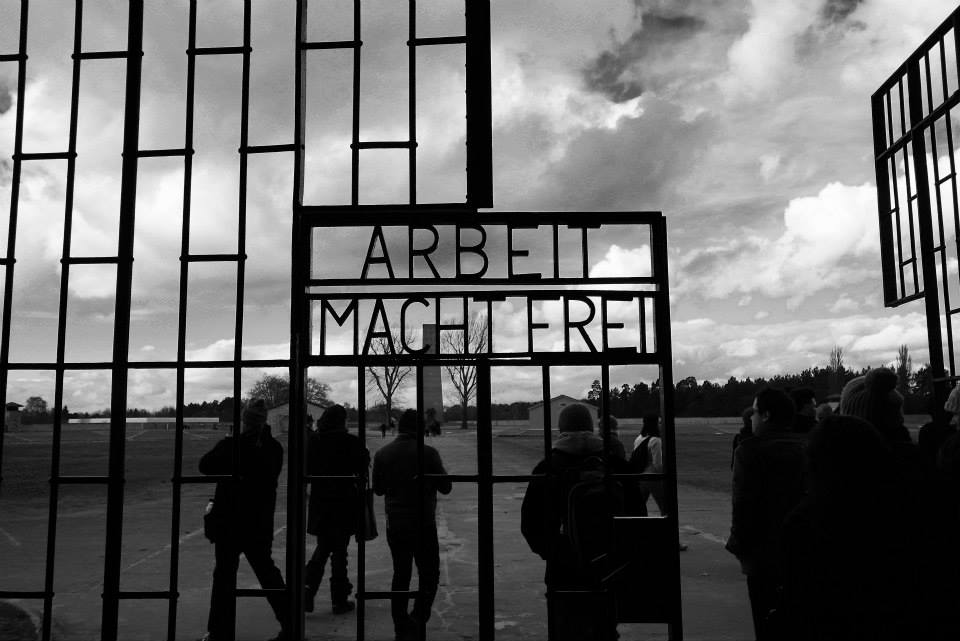
Concentration camp Sachsenhausen: the dark past of Oranienburg

At the entrance of the camp you can read the infamous slogan „Arbeit macht frei”, meaning: “Work sets you free”. It implies that the prisoners have to work until they are fully exhausted and that they will only find freedom after death. This sadistic expression is just the start of daily suffering, humiliation and cruel experiments, which every prisoner was sentenced to go through.

Concentration camp Sachsenhausen: the dark past of OranienburgPhoto by Erik G. Trigos on Flickr
Contrast and Exposure adjustments

At the beginning Sachsenhausen was built as a prison for political criminals, for all opponents to Nazism. Nonetheless, people from 40 different nationalities became victims of this sinister place due to their political beliefs, homosexuality of race. Many of them were told they were being relocated to Oranienburg. They were carrying gold, money and all valuables. Upon arrivals, Nazis would confiscate everything, even their clothes. All captives received a uniform with a serial number and a pair of “one size fits all” wooden shoes. From this moment on prisoners would lose their identity – they were no longer people with names and lives, they were only a serial number. Many of the Nazis, who after the end of the war were sentenced for crimes against humanity, would say that in concentration camps they have never worked with people, they worked with numbers.

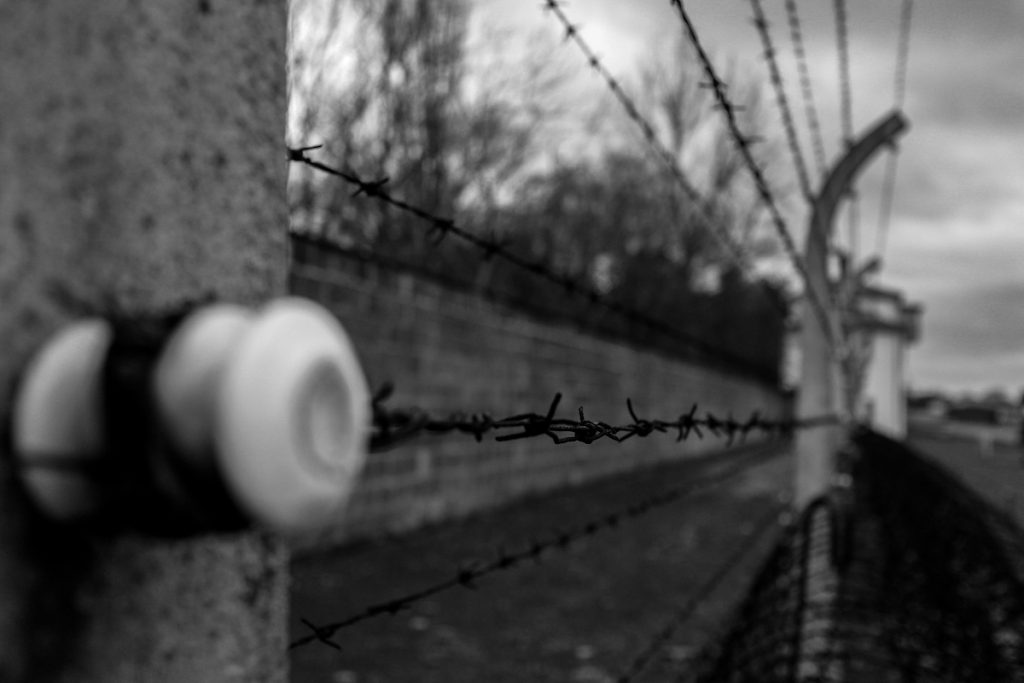
Concentration camp Sachsenhausen: the dark past of OranienburgPhoto by Dirkjan Van Ittersum on Flickr
Crop, Contrast and Exposure adjustments

Since 1961 Sachsenhausen was opened to the public as a memorial and museum, which can be visited on a day trip from Berlin. It is not your typical tourist attraction, but it surely is a place worth visiting. Only 2 out of all 65 barracks that were used to house the prisoners are reconstructed. Their maximum occupancy was 140 people, but they were intentionally overcrowded with up to three times more prisoners. The working day would start at 4:15 am, regardless of when the previous one had ended. It would always begin with a roll call. All prisoners had to be aligned by their numbers by 5 am. Calling all the “names” would usually take two to three hours. During the winter of 1940, under the governance of Rudolf Höss, it often lasted for 12 hours in the freezing cold of -20°C. Mortality in the concentration camp reached record levels: seven thousand people only in January. Four months later, Höss was promoted to take charge of Auschwitz, the largest Nazi camp.

Job positions at the concentration camps would vary from starving waiter to the SS (the Nazi elite corps of combat troops) to a producer of machine components for large corporations. Jews and homosexuals were assigned the toughest job: making bricks for the construction of a “new Berlin”. The physical labour was so demanding, most prisoners would die of exhaustion within two to three weeks.

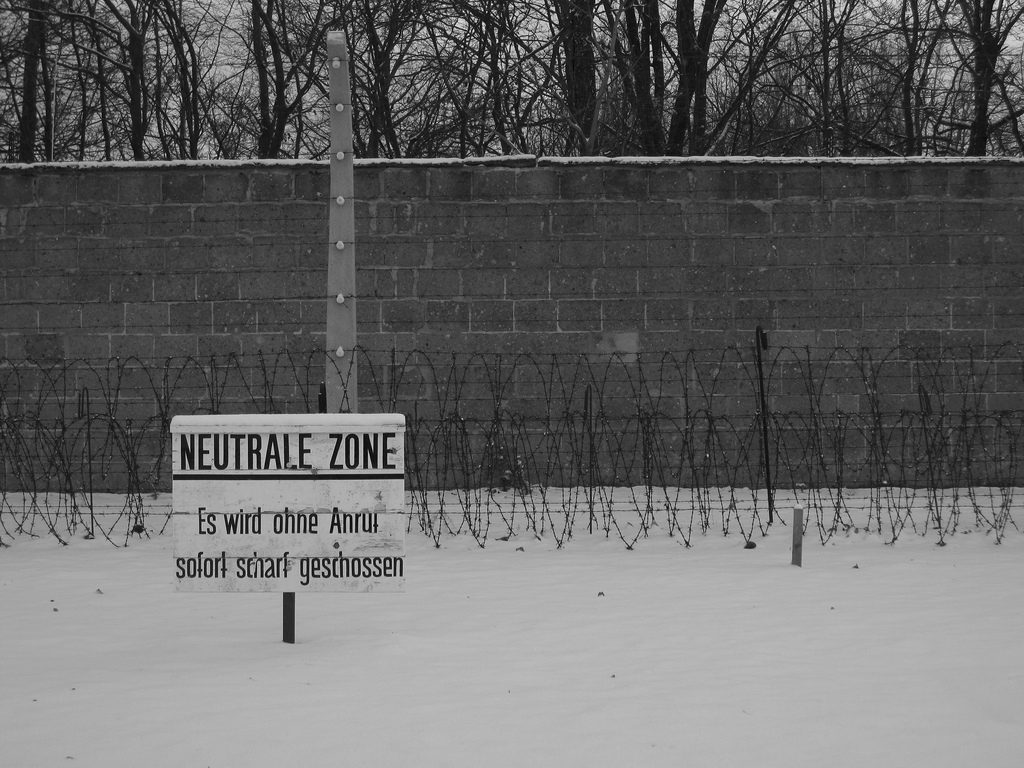
Concentration camp Sachsenhausen: the dark past of OranienburgPhoto by TheRuined on Flickr

Escape attempts were plentiful, but no one has ever left alive the confines of Sachsenhausen. There was no lack of suicide attempts as nothing, not even death, is as terrible as a life in perpetual suffering. The SS severely punished anyone who thought they have right to take their own life. Those who dared to attain freedom through death were shot, immobilised and left in agony.

After the end of the World War II, the camp continued to operate under Soviet rule as it was in their occupation zone. It was finally closed in 1950.

Useful information: Sachsenhausen is located on Straße der Nationen 22 in Oranienburg, around 35 km away from Berlin. Access is free, but I strongly advise you to visit it with a tour guide. You can find more information about the opening hours and transport here.

Follow:


July 13, 2026
Uncategorized

Dal, Indian lentil cream with basmati rice, delicious and easy to make

maximios
0 0 1
Share

Indian cuisine is exquisite, and if you didn’t already know that – just try this flavour-rich dal recipe. 

I fell in love with Indian food the first time I tried it at an excellent restaurant in Madrid. It was even adapted to European taste – nothing hot, just a delicious blend of spices I could not really differentiate. A few minutes after my Indian friend and I finished our meal, I got the amazing opportunity to move to Tenerife. We’ve had the inside joke of Indian food bringing me good luck ever since. Which reminds me I need to go get some vegetable Kofta next week.

To my surprise, the island of Tenerife has an amazing Indian community of families who have moved here generations ago. I even got the chance to visit an incredible Indian temple in the south of the island. There, I got to enjoy a varied plant-based meal, served in an excitingly large metal plate. What is more, we had a little tour of the temple, learning about the Hindu gods. We finished our visit dancing and laughing which was undoubtedly the best part.

Fast-forward a few months and I was back in Madrid, at my friend’s house, enjoying home-cooked Indian food. This is when I tried dal, a lentil-based cream, which can be enjoyed with flat bread (such as Paratha) or basmati rice.

– It’s very easy to make – the girl who prepared it said to me.

I could not possibly believe her. Something that tasty was surely a pain to elaborate.

Well, well, was I wrong. The recipe that she gave me is pretty simple and it brings great results. It uses yellow lentils and an astonishing blend of spices. If it were the Middle Ages, having this meal would have cost me a fortune, as spices were so precious back in the day. Nowadays, thankfully, I can happily enjoy this meal and the amazing luck it brings me once a week!

Indian lentil dal with basmati rice

Ingredients:

1/2 cup yellow lentils, 1 cup water
2 Tsp oil
1/2 teaspoon black mustard seeds
1 tsp cumin seeds
1 medium-sized onion, finely chopped
1 clove of garlic, finely chopped
1/2 tsp ginger powder or 1 cm of crushed ginger
1 tsp curry
6-7 cherry tomatoes, finely chopped
1/2 tsp turmeric powder
1/2 tsp red chili powder
1 cup of water
1/2 tsp garam masala powder
1 tsp lemon juice
2 stalks coriander, finely chopped
salt to taste

Method

I like to soak my lentils overnight.
Cook the lentils uncovered for 15-20 minutes. First, bringing the water to a rapid simmer, then turning the heat down to low. When ready, blend into a paste about 3/4 of the cooked lentils (I prefer my dal to have some texture but you can also blend them all).
Into a pan, fry off the cumin and mustard seeds. Add the onion and simmer until it becomes transparent.
Next, put garlic, crushed ginger and tomatoes. Sauté until the tomatoes have softened.
Pour in the lentils. Mix it together with turmeric and red chili powder.
Use about a cup of water to thin out the dal. Simmer for a bit, then put the gram masala powder.
Add lemon juice and serve with coriander to freshen up the dish.

Basmati rice is easy to cook and it goes perfectly with this recipe. Bring to boil 2 cups of water. Put in a cup of basmati rice (preferably rinsed, then soaked for a few hours) and wait until the water starts boiling again. Cover the pot and bring the heat to low. After 15 minutes remove the lid and let the remaining water, if any, evaporate. Fluff the rice with a fork and serve it on the side.

The original recipe calls for green and red chili peppers and a few other spices I could not get my hands on. If you are Indian, this dal might not taste just right, especially if it’s not hot. Still, this dish is a real explosion of varied tastes and it’s well-worth a try. See for yourself why the Indian cuisine is one of the most acclaimed internationally!

Follow:

You may also enjoy:

  • Vegan burgers with red beans, quinoa and lots of sauce

    Vegan burgers with red beans, quinoa and …

  • Dairy-free pistachio ice-cream

    Dairy-free pistachio ice-cream

  • 3 vegan dips to compliment any meal

    3 vegan dips to compliment any meal


July 13, 2026
Uncategorized

Granada, Spain – a tasty tour of the town of four cultures

maximios
0 0 1
Share

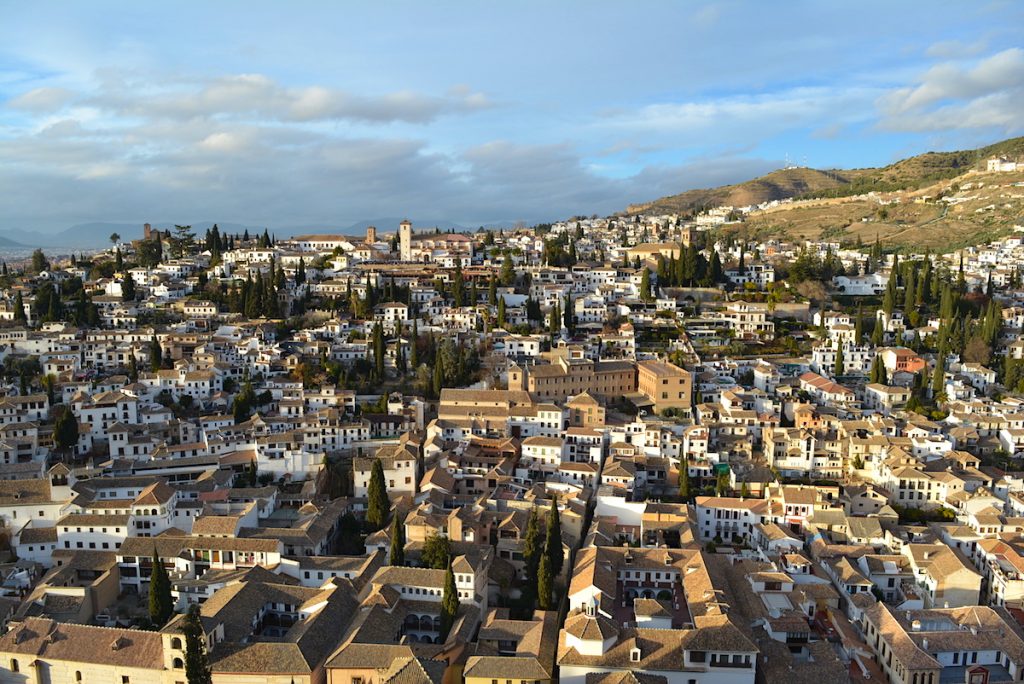
Granada, view over the town from Alhambra

Granada is an impressive town which has preserved traces of a few diverse cultures – Moorish, Christian, European and gypsy. It was occupied by Arabs for 400 years and at that time it transformed into a cultural and political centre. The palaces of the Nasrid dynasty in Alhambra are definitely the most incredible sight in this town. However, Granada boasts a multitude of other architectural and historical monuments, wonderful food and gorgeous countryside.

The most ancient Arab baths

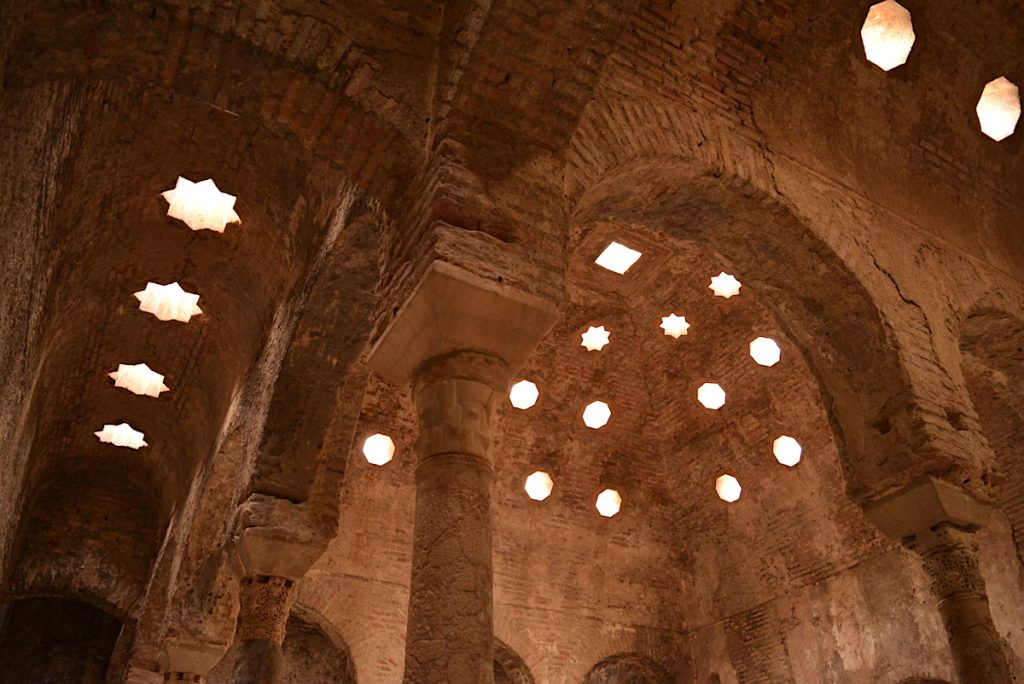
Granada, Arab baths

The bañuelo in Granada are the most ancient and best preserved Arab baths in Spain. They were built back in the 11th century and they are the oldest Muslim structure in the town. Catholics did not think public baths are any different from brothels. Due to that bad fame, during the Reconquest, baths were usually destroyed. To visit one of these places nowadays is almost a miracle. My personal favourite are the Arab baths in Girona, a charming town near Barcelona.

The Moorish quarter Albaicín

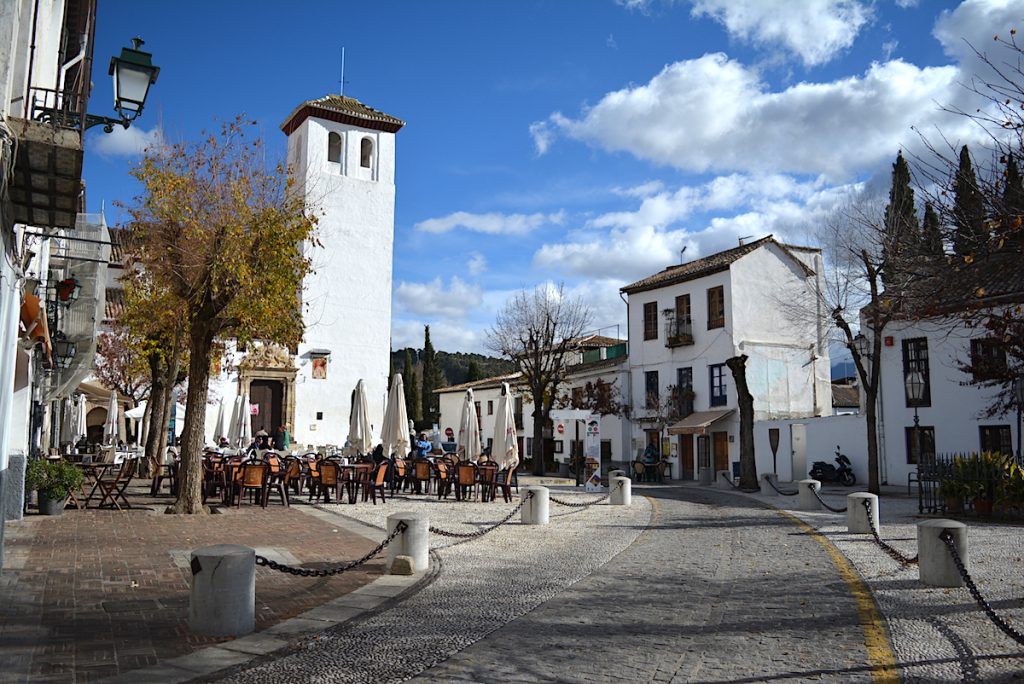
Granada, the Moorish quarter Albaicín

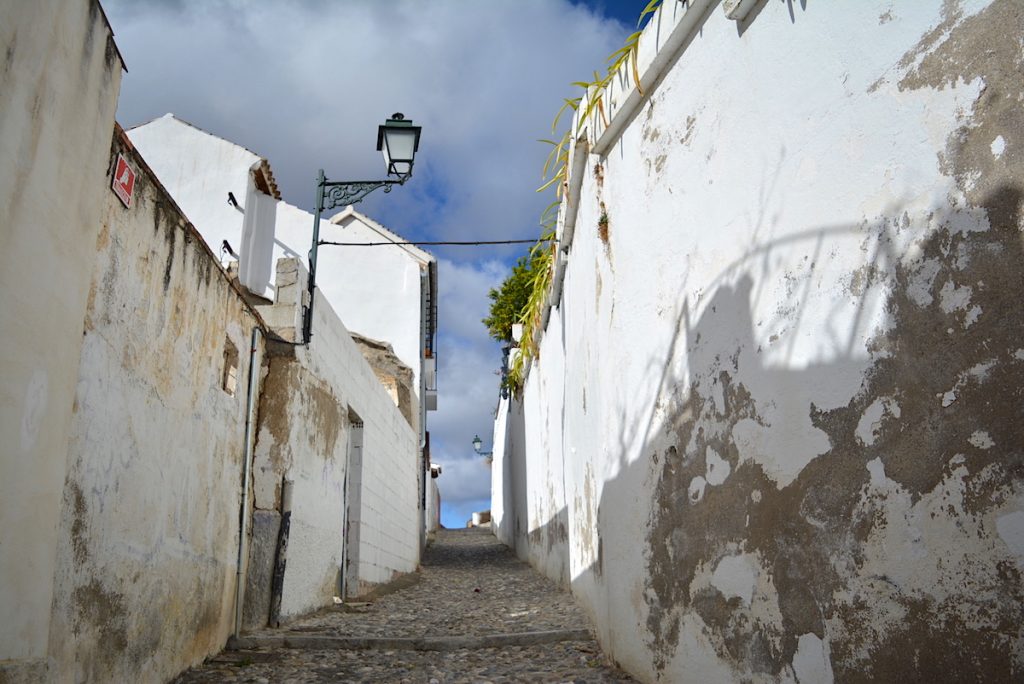
Granada, the Moorish quarter Albaicín

As locals like to say a walk around the Moorish quarter Albaicín is “Sí o sí”, meaning simply compulsory. From the steep, cobbled streets, lined with rows of white houses, colourful gardens and orange trees, you will enjoy some of the most remarkable views over the city.

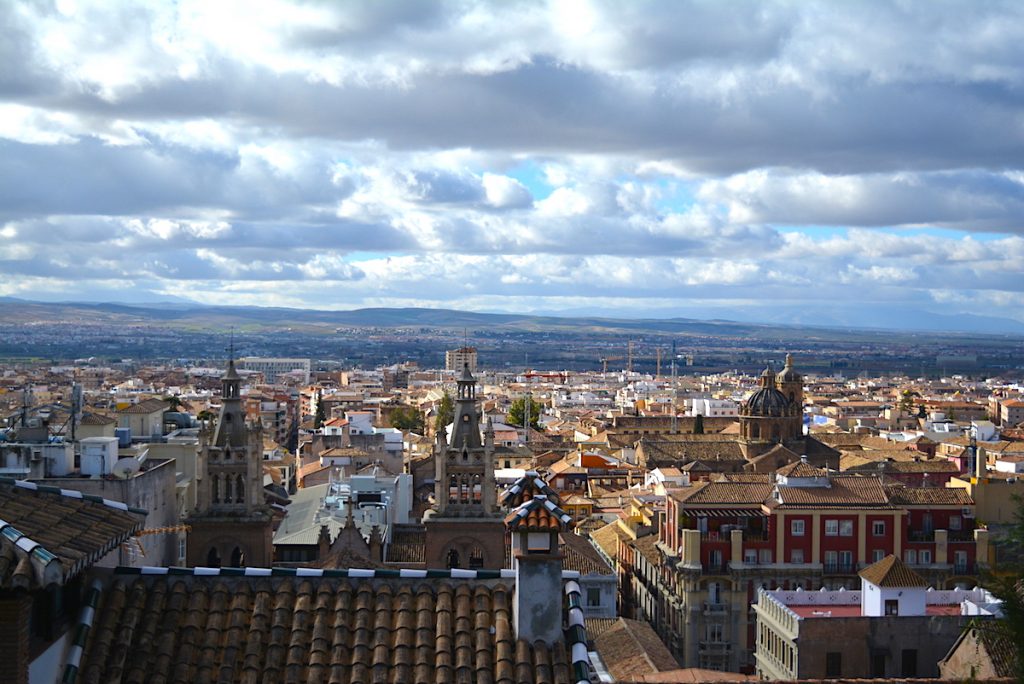
Granada, view over the town from the Moorish quarter Albaicín
From up here you will see the cathedral in all of its splendour and its massive dome you did not know of. You will also see Alhambra and the snowy mountain of Sierra Nevada at the background. The entire quarter is incredibly tranquil. Here, time stops and the names of the streets do not matter. Your only option is to wander without destination, to come across streets no wider than a meter and opulent doors with Arab ornaments.

Tasty surprises

Granada, tapas

Elvira Street, famous with its tapas bars, is quite close by. The tapas culture in Granada is one of a kind in Spain. You order a drink for 1-2 euros and you get served a surprise tapas. Actually, here this traditionally bite-size food is what the rest of the country considers a portion (racción). Two to three drinks are enough for a tasty, filling dinner.

I dare say, on behalf of all vegans and vegetarians, that we do not enjoy surprises in our food. With the Spanish habit of putting ham on anything edible that is completely understandable. In case you are not so courageous, go for the cream soups in Hicuri Art, a lovely vegan restaurant. Arab cuisine, which can be easily found in any part of the town, is also rich in vegan options.

For dessert have the local pionono – a syrup-soaked sweet topped with baked cream. The traditional recipe was not to my taste but did approve of its tiramisu variation. I also recommend buñuelos, a sweet ball of fried dough. Get them at Fiordigelato, a place that can tempt even the healthiest eaters.

Street lights as art

Granada, street lights

You can find just about anything on the internet. Nevertheless, I doubt any other website will advise you to walk down Gran Via to see the street lights. I consider them the most fabulous street lights I’ve ever seen. They are cubic with some smaller cubes cut out of them. It looks as if their designed tried to honour the geometric Arab culture with a modern taste to it. These lights look gorgeous even when they’re still not lit up.

Thermal waters among the olive trees

I had never imagined that I’d be shivering with cold in the South of Spain. Winter is coming even in Granada and its cold, windy nights are punishing every misguided tourist. In such cases nothing beats a relaxing, hot bath. In the outskirts of the town, hidden among fields of olive trees, you can find the thermal waters of Santa Fe. These are some terraced pools of hot water flowing from one to another. Unwinding in a 35-degree natural Jacuzzi, listening to the sound of the water falling down as the last rays of the sun are caressing your skin, is pure bliss. Being in harmony with nature is the best meditation!

Granada, view over Alhambra
To visit Granada, they say, you need two or three days. To fully enjoy its atmosphere, I suppose, years. Only 30 minutes away from here you can ski or dip into the Mediterranean sea. I am telling you from personal experience: it is hard to get tired of the good life.

Follow:


July 13, 2026
Uncategorized

Girona – historical trip of an ancient Catalan town

maximios
0 0 1
Share

Girona is an ancient Catalan city that will most certainly charm you with its colours, rich history, breathtaking views from above and handmade goods. The old part of Girona is really similar to the beautiful towns in Tuscany, only with a Spanish charm to it.

By the banks of the Onyar river

Colourful houses on the banks of the Onyar river, Girona

Start your tour walking down La Rambla de la Libertat and look for a bridge on your left. Get on the other bank of the river Onyar and capture in your memories, as well as in your camera, one of the most emblematic views in town. The houses meandering by the river are glowing in various shades of yellow, red and orange under the beams of the Catalonian sun.

Handmade toys in a Girona shop with a 30 years of history, Girona

Keep walking in the new part of Girona and following Carrer de Santa Clara get to the Square of Independence (Plaça de la Independència), devoted to the battle for independence from France. Then you can go back to the other bank and fearlessly venture into the labyrinth of cobbled streets. There you will stumble upon lovely shops that sell tea, read books, fragrant candles, natural soaps, artistic jewelries, vintage clocks, brightly-painted toys and much more.

The Jewish quarter

Do not miss the chance to get lost in one of the best preserved Jewish quarters in the world. Its Catalonian name “call” is derived from the Latin word describing a “set of narrow streets”. The local Jewish community used to have its own mayor and council, independent from the authorities in Girona. It was protected by the king of Catalonia in exchange for an annual fee. The Jews had a strong economic influence being experienced money-lenders, landowners, craftsmen and traders.

Girona cathedral "St. Mary", Girona

 The Girona cathedral “St. Mary” is located right next to the Jewish quarter. In the past this proximity was a prerequisite for the arousal of problems between Catholics and Jews. Local Christians were rebelling against the independence of Judaists and often attacked them, especially during religious holidays. In time the periods of bad blood were alternating with ones of peaceful coexistence. By the end of the 15th century Catholics had managed to establish a positive relationship with the Jews and even had commerce with them. It all came to an end in 1492 with a royal edict that ordered the expulsion of all Jews in Spain.

The Arab baths

The Arab baths, Girona

 While in the neighbourhood, stop by the illustrious Arab baths. They were built in the 12th century in Roman style but their layout is typically Arabic. The baths consist of a few premises, the most impressive of which is the hall with the main pool and its dome. The relaxed atmosphere will surely give you a spa effect without the need of any treatments. When you have had enough of the cool baths, head back to the burning heat of the street to get to the culmination of your walk in Girona.

A walk over the castle wall

The castle wall, Girona

Look for signs pointing to the Passeig Arqueològic, the promenade over the castle wall that dates back to the 1st century BC. During the 14th century the original Roman construction was used as a base for the new fortification. Not long after, though, the structure lost its main purpose because Girona spread out of its limits.

View from the castle wall, Girona

Take the time to enjoy the sunset from this historical viewpoint. You will see the vibrant colours in the sky, the tiled roofs of Girona, the tower of the cathedral and the imposing Pyrenees in the distance. There is only one catch: to get to this dazzling view you need to “fight off” numerous steps.

Resisting the spell of Girona is nearly impossible. You become so impatient to see what is hidden behind every corner that you do not know which way to take first. But the old part of Girona is fairly small and in a day you will have plenty of hours to see each and every nook. However, falling in love with the city takes a lot less time. The narrow, winding streets still create the atmosphere of a long gone past. It would not surprise me if while strolling in the old town you start dreaming about a time machine.

Useful information: Girona is located only 118 km away from Barcelona. The easiest and fastest way to get there is by train. The journey takes only 40 minutes and there are regular trains every hour or so.

Follow:


«‹ 7 8 9 10›»

Recent Posts

  • Desserts Archives – Eva Milano
  • Dairy-free pistachio ice-cream – easy nice-cream recipe with banana and avocado
  • Pizza Margherita Archives – Eva Milano
  • Healthy pizza Archives – Eva Milano
  • Vegetarian pizza Archives – Eva Milano

Recent Comments

No comments to show.

Archives

  • July 2026

Categories

  • Uncategorized
© aibo-europe.com 2026
Powered by WordPress • Themify WordPress Themes