RSS
aibo-europe.com
July 13, 2026
Uncategorized

Portugal capital Archives – Eva Milano

maximios
0 0 2
Share
The small Lisbon and the big earthquake, View from above
Photo by Raphaël Chekroun on Flickr 

Picasso once said: ¨The urge to destroy is also a creative urge¨. At times you really need to demolish something good in order to create something great. That is the case with one of the most astonishing European capitals – Lisbon. 

The small Lisbon and the big earthquake, Praça do Comércio
Photo by Nicolas Vollmer on Flickr,
Brightness and Saturation adjustments

It is also known as the Sunny city because of the bright Sun that you can enjoy here. The town was first founded by the Phoenicians. It was later conquered by the Romans who left a rich historical legacy – their religion, language and architecture. In the 13th century the Moors initiated a new stage in the development of Lisbon: the look of the streets is completely transformed when all facades are panelled with colourful tiles.

The morning of November 1st 1755 everything changes in a way no one could ever imagine. On the day of All Saints the pious citizens of Lisbon lit up candles to honour the dead. Everyone gathers in the cathedrals for the daily mass. When an earthquake with magnitude 9.0 on Richter scale reaches the city, most of its population is in the temples. The rooftops of the catholic places of prayer start to collapse, burying multitudes of people under their remains.

The olive oil in the street lamps and the dozens of candles were the cause of a massive fire that burned down over 12 000 wooden buildings. The surviving citizens of Lisbon headed towards the main square Praça do Comércio. They saw that the river Tejo has withdrawn and entered its bed in seek of rescue. Later came a tsunami and it made the final blow on the city. 

It is fair to say that on that day All Saints were not watching over Lisbon. On top of all the king Jose I decided to flee, saying that one cannot do anything against the divine intervention.

This earthquake is known as the most devastating one in the history of the Old continent. Nowadays the information about the consequences of it is quite contradictory. Some claim that 80% of all buildings were destroyed and 75% of Lisbon citizens died during the natural disaster or due to wounds of it. 

Fortunately, the prime minister Sebastião e Mello stays, determined to build a new, more fascinating Lisbon. He does not know a lot about construction, but he takes on the problem with logic. After the earthquake most dwellings are ruins, still the arches of the cathedrals seem untouched. Well, the Romans knew how strong this structure is 2000 years earlier. Minister Mello, however, is 200 years ahead of his time when setting out to build a city resistant to seismic activity. To test his projects he uses a scaled model of Lisbon and asks his army to march alongside it, creating an effect similar to an earthquake. Using the trial-error method Mello creates a new Lisbon from the ruins of the Apocalipsis in less than a year.

The small Lisbon and the big earthquake, View from above
Photo by Pug Girl on Flickr 

Our tour of the Portuguese capital started with this lovely story. Our guide, a recent graduate of Tourism who, despite of the wise advice of the presided decided not to leave the country to lower the number of unemployed. He stayed to animate curious tourists like me with stories of his homeland. We were crossing a two-way street when Rafa stopped and asked:

– So, what do you think about this street?

I was not sure I understood his question – it was just an ordinary street. I looked at the pavement, the buildings, the parked cars – it was all regular.
– What do you think – he repeated – does this seem like a big boulevard?

Like I already said, it was just a two-way street. However, in the 18th century it seemed more like an avenue. Lisbonians were appalled at the seemingly mad minister, who was wasting the plots for buildings to make streets. Today, Mello is considered a very forward-thinking individual with brilliant ideas.

The arches are not the only element of the Ancient Roman architecture that the Portuguese choose to revive. In 1842 a group of prisoners was punished with the laborious task to pave the entire royal courtyard with black and white cobblestones, placed in zigzag motif. The artwork arouse great interest. A few years later the use of black basalt and white limestone became compulsory in the central part of Lisbon.

The small Lisbon and the big earthquake, Rossio square
Photo by Luca Sartoni on Flickr

Presently, you can enjoy various designs on the streets, courtyards, squares and even the walkways of the city. The technology of it requires hand-carving each stone cube before placing it in a sand bed. The pieces are ordered so tightly that a square meter can fit as much as 400 of them! Nevertheless, this pavement allows rainwater to reach the soil beneath it, preventing the streets from floods. A gorgeous example of this art is the ¨wide sea¨ motif seen on Rossio square. It shows the unification between Portugal and the ocean. Thanks to their integrity this cobblestone artwork reaches faraway colonies like Brasil and Macao.

Lisbon is an impressive capital that still has the footprint of diverse cultures during various periods. It is often called the city of the seven hills, like Rome. In reality, the hills are a lot more and each of them reveals marvellous ¨pieces¨of the puzzle ¨view from above¨. Get lost between the streets of Lisbon and look for some crevice between the sides of two buildings. Keep in mind one useful tip: wherever you are in the centre of the city, the cobblestones will guide you. And relax, thanks to the Roman technology Lisbon is now safe from earthquakes and tsunamis.


Follow:

You may also enjoy:

  • The Secret of Rome

    The Secret of Rome

  • Volterra – the heart of Tuscany

    Volterra – the heart of Tuscany

  • Charming towns of Tuscany

    Charming towns of Tuscany

  • Charm hunting in Santander

    Charm hunting in Santander

July 13, 2026
Uncategorized

Portugal places of interest Archives – Eva Milano

maximios
0 0 2
Share
The small Lisbon and the big earthquake, View from above
Photo by Raphaël Chekroun on Flickr 

Picasso once said: ¨The urge to destroy is also a creative urge¨. At times you really need to demolish something good in order to create something great. That is the case with one of the most astonishing European capitals – Lisbon. 

The small Lisbon and the big earthquake, Praça do Comércio
Photo by Nicolas Vollmer on Flickr,
Brightness and Saturation adjustments

It is also known as the Sunny city because of the bright Sun that you can enjoy here. The town was first founded by the Phoenicians. It was later conquered by the Romans who left a rich historical legacy – their religion, language and architecture. In the 13th century the Moors initiated a new stage in the development of Lisbon: the look of the streets is completely transformed when all facades are panelled with colourful tiles.

The morning of November 1st 1755 everything changes in a way no one could ever imagine. On the day of All Saints the pious citizens of Lisbon lit up candles to honour the dead. Everyone gathers in the cathedrals for the daily mass. When an earthquake with magnitude 9.0 on Richter scale reaches the city, most of its population is in the temples. The rooftops of the catholic places of prayer start to collapse, burying multitudes of people under their remains.

The olive oil in the street lamps and the dozens of candles were the cause of a massive fire that burned down over 12 000 wooden buildings. The surviving citizens of Lisbon headed towards the main square Praça do Comércio. They saw that the river Tejo has withdrawn and entered its bed in seek of rescue. Later came a tsunami and it made the final blow on the city. 

It is fair to say that on that day All Saints were not watching over Lisbon. On top of all the king Jose I decided to flee, saying that one cannot do anything against the divine intervention.

This earthquake is known as the most devastating one in the history of the Old continent. Nowadays the information about the consequences of it is quite contradictory. Some claim that 80% of all buildings were destroyed and 75% of Lisbon citizens died during the natural disaster or due to wounds of it. 

Fortunately, the prime minister Sebastião e Mello stays, determined to build a new, more fascinating Lisbon. He does not know a lot about construction, but he takes on the problem with logic. After the earthquake most dwellings are ruins, still the arches of the cathedrals seem untouched. Well, the Romans knew how strong this structure is 2000 years earlier. Minister Mello, however, is 200 years ahead of his time when setting out to build a city resistant to seismic activity. To test his projects he uses a scaled model of Lisbon and asks his army to march alongside it, creating an effect similar to an earthquake. Using the trial-error method Mello creates a new Lisbon from the ruins of the Apocalipsis in less than a year.

The small Lisbon and the big earthquake, View from above
Photo by Pug Girl on Flickr 

Our tour of the Portuguese capital started with this lovely story. Our guide, a recent graduate of Tourism who, despite of the wise advice of the presided decided not to leave the country to lower the number of unemployed. He stayed to animate curious tourists like me with stories of his homeland. We were crossing a two-way street when Rafa stopped and asked:

– So, what do you think about this street?

I was not sure I understood his question – it was just an ordinary street. I looked at the pavement, the buildings, the parked cars – it was all regular.
– What do you think – he repeated – does this seem like a big boulevard?

Like I already said, it was just a two-way street. However, in the 18th century it seemed more like an avenue. Lisbonians were appalled at the seemingly mad minister, who was wasting the plots for buildings to make streets. Today, Mello is considered a very forward-thinking individual with brilliant ideas.

The arches are not the only element of the Ancient Roman architecture that the Portuguese choose to revive. In 1842 a group of prisoners was punished with the laborious task to pave the entire royal courtyard with black and white cobblestones, placed in zigzag motif. The artwork arouse great interest. A few years later the use of black basalt and white limestone became compulsory in the central part of Lisbon.

The small Lisbon and the big earthquake, Rossio square
Photo by Luca Sartoni on Flickr

Presently, you can enjoy various designs on the streets, courtyards, squares and even the walkways of the city. The technology of it requires hand-carving each stone cube before placing it in a sand bed. The pieces are ordered so tightly that a square meter can fit as much as 400 of them! Nevertheless, this pavement allows rainwater to reach the soil beneath it, preventing the streets from floods. A gorgeous example of this art is the ¨wide sea¨ motif seen on Rossio square. It shows the unification between Portugal and the ocean. Thanks to their integrity this cobblestone artwork reaches faraway colonies like Brasil and Macao.

Lisbon is an impressive capital that still has the footprint of diverse cultures during various periods. It is often called the city of the seven hills, like Rome. In reality, the hills are a lot more and each of them reveals marvellous ¨pieces¨of the puzzle ¨view from above¨. Get lost between the streets of Lisbon and look for some crevice between the sides of two buildings. Keep in mind one useful tip: wherever you are in the centre of the city, the cobblestones will guide you. And relax, thanks to the Roman technology Lisbon is now safe from earthquakes and tsunamis.

Follow:

You may also enjoy:

  • The Secret of Rome

    The Secret of Rome

  • Italian islands – Capri, Ischia and Procida

    Italian islands – Capri, Ischia and Procida

  • Volterra – the heart of Tuscany

    Volterra – the heart of Tuscany

  • Barcelona for tourists

    Barcelona for tourists

July 13, 2026
Uncategorized

Rossio Square Archives – Eva Milano

maximios
0 0 2
Share
The small Lisbon and the big earthquake, View from above
Photo by Raphaël Chekroun on Flickr 

Picasso once said: ¨The urge to destroy is also a creative urge¨. At times you really need to demolish something good in order to create something great. That is the case with one of the most astonishing European capitals – Lisbon. 

The small Lisbon and the big earthquake, Praça do Comércio
Photo by Nicolas Vollmer on Flickr,
Brightness and Saturation adjustments

It is also known as the Sunny city because of the bright Sun that you can enjoy here. The town was first founded by the Phoenicians. It was later conquered by the Romans who left a rich historical legacy – their religion, language and architecture. In the 13th century the Moors initiated a new stage in the development of Lisbon: the look of the streets is completely transformed when all facades are panelled with colourful tiles.

The morning of November 1st 1755 everything changes in a way no one could ever imagine. On the day of All Saints the pious citizens of Lisbon lit up candles to honour the dead. Everyone gathers in the cathedrals for the daily mass. When an earthquake with magnitude 9.0 on Richter scale reaches the city, most of its population is in the temples. The rooftops of the catholic places of prayer start to collapse, burying multitudes of people under their remains.

The olive oil in the street lamps and the dozens of candles were the cause of a massive fire that burned down over 12 000 wooden buildings. The surviving citizens of Lisbon headed towards the main square Praça do Comércio. They saw that the river Tejo has withdrawn and entered its bed in seek of rescue. Later came a tsunami and it made the final blow on the city. 

It is fair to say that on that day All Saints were not watching over Lisbon. On top of all the king Jose I decided to flee, saying that one cannot do anything against the divine intervention.

This earthquake is known as the most devastating one in the history of the Old continent. Nowadays the information about the consequences of it is quite contradictory. Some claim that 80% of all buildings were destroyed and 75% of Lisbon citizens died during the natural disaster or due to wounds of it. 

Fortunately, the prime minister Sebastião e Mello stays, determined to build a new, more fascinating Lisbon. He does not know a lot about construction, but he takes on the problem with logic. After the earthquake most dwellings are ruins, still the arches of the cathedrals seem untouched. Well, the Romans knew how strong this structure is 2000 years earlier. Minister Mello, however, is 200 years ahead of his time when setting out to build a city resistant to seismic activity. To test his projects he uses a scaled model of Lisbon and asks his army to march alongside it, creating an effect similar to an earthquake. Using the trial-error method Mello creates a new Lisbon from the ruins of the Apocalipsis in less than a year.

The small Lisbon and the big earthquake, View from above
Photo by Pug Girl on Flickr 

Our tour of the Portuguese capital started with this lovely story. Our guide, a recent graduate of Tourism who, despite of the wise advice of the presided decided not to leave the country to lower the number of unemployed. He stayed to animate curious tourists like me with stories of his homeland. We were crossing a two-way street when Rafa stopped and asked:

– So, what do you think about this street?

I was not sure I understood his question – it was just an ordinary street. I looked at the pavement, the buildings, the parked cars – it was all regular.
– What do you think – he repeated – does this seem like a big boulevard?

Like I already said, it was just a two-way street. However, in the 18th century it seemed more like an avenue. Lisbonians were appalled at the seemingly mad minister, who was wasting the plots for buildings to make streets. Today, Mello is considered a very forward-thinking individual with brilliant ideas.

The arches are not the only element of the Ancient Roman architecture that the Portuguese choose to revive. In 1842 a group of prisoners was punished with the laborious task to pave the entire royal courtyard with black and white cobblestones, placed in zigzag motif. The artwork arouse great interest. A few years later the use of black basalt and white limestone became compulsory in the central part of Lisbon.

The small Lisbon and the big earthquake, Rossio square
Photo by Luca Sartoni on Flickr

Presently, you can enjoy various designs on the streets, courtyards, squares and even the walkways of the city. The technology of it requires hand-carving each stone cube before placing it in a sand bed. The pieces are ordered so tightly that a square meter can fit as much as 400 of them! Nevertheless, this pavement allows rainwater to reach the soil beneath it, preventing the streets from floods. A gorgeous example of this art is the ¨wide sea¨ motif seen on Rossio square. It shows the unification between Portugal and the ocean. Thanks to their integrity this cobblestone artwork reaches faraway colonies like Brasil and Macao.

Lisbon is an impressive capital that still has the footprint of diverse cultures during various periods. It is often called the city of the seven hills, like Rome. In reality, the hills are a lot more and each of them reveals marvellous ¨pieces¨of the puzzle ¨view from above¨. Get lost between the streets of Lisbon and look for some crevice between the sides of two buildings. Keep in mind one useful tip: wherever you are in the centre of the city, the cobblestones will guide you. And relax, thanks to the Roman technology Lisbon is now safe from earthquakes and tsunamis.
Follow:

You may also enjoy:

  • Tasty walk around San Sebastian

    Tasty walk around San Sebastian

  • Volterra – the heart of Tuscany

    Volterra – the heart of Tuscany

  • Girona – history and colours

    Girona – history and colours

  • The Secret of Rome

    The Secret of Rome

July 13, 2026
Uncategorized

Portugal travel Archives – Eva Milano

maximios
0 0 2
Share
The small Lisbon and the big earthquake, View from above
Photo by Raphaël Chekroun on Flickr 

Picasso once said: ¨The urge to destroy is also a creative urge¨. At times you really need to demolish something good in order to create something great. That is the case with one of the most astonishing European capitals – Lisbon. 

The small Lisbon and the big earthquake, Praça do Comércio
Photo by Nicolas Vollmer on Flickr,
Brightness and Saturation adjustments

It is also known as the Sunny city because of the bright Sun that you can enjoy here. The town was first founded by the Phoenicians. It was later conquered by the Romans who left a rich historical legacy – their religion, language and architecture. In the 13th century the Moors initiated a new stage in the development of Lisbon: the look of the streets is completely transformed when all facades are panelled with colourful tiles.

The morning of November 1st 1755 everything changes in a way no one could ever imagine. On the day of All Saints the pious citizens of Lisbon lit up candles to honour the dead. Everyone gathers in the cathedrals for the daily mass. When an earthquake with magnitude 9.0 on Richter scale reaches the city, most of its population is in the temples. The rooftops of the catholic places of prayer start to collapse, burying multitudes of people under their remains.

The olive oil in the street lamps and the dozens of candles were the cause of a massive fire that burned down over 12 000 wooden buildings. The surviving citizens of Lisbon headed towards the main square Praça do Comércio. They saw that the river Tejo has withdrawn and entered its bed in seek of rescue. Later came a tsunami and it made the final blow on the city. 

It is fair to say that on that day All Saints were not watching over Lisbon. On top of all the king Jose I decided to flee, saying that one cannot do anything against the divine intervention.

This earthquake is known as the most devastating one in the history of the Old continent. Nowadays the information about the consequences of it is quite contradictory. Some claim that 80% of all buildings were destroyed and 75% of Lisbon citizens died during the natural disaster or due to wounds of it. 

Fortunately, the prime minister Sebastião e Mello stays, determined to build a new, more fascinating Lisbon. He does not know a lot about construction, but he takes on the problem with logic. After the earthquake most dwellings are ruins, still the arches of the cathedrals seem untouched. Well, the Romans knew how strong this structure is 2000 years earlier. Minister Mello, however, is 200 years ahead of his time when setting out to build a city resistant to seismic activity. To test his projects he uses a scaled model of Lisbon and asks his army to march alongside it, creating an effect similar to an earthquake. Using the trial-error method Mello creates a new Lisbon from the ruins of the Apocalipsis in less than a year.

The small Lisbon and the big earthquake, View from above
Photo by Pug Girl on Flickr 

Our tour of the Portuguese capital started with this lovely story. Our guide, a recent graduate of Tourism who, despite of the wise advice of the presided decided not to leave the country to lower the number of unemployed. He stayed to animate curious tourists like me with stories of his homeland. We were crossing a two-way street when Rafa stopped and asked:

– So, what do you think about this street?

I was not sure I understood his question – it was just an ordinary street. I looked at the pavement, the buildings, the parked cars – it was all regular.
– What do you think – he repeated – does this seem like a big boulevard?

Like I already said, it was just a two-way street. However, in the 18th century it seemed more like an avenue. Lisbonians were appalled at the seemingly mad minister, who was wasting the plots for buildings to make streets. Today, Mello is considered a very forward-thinking individual with brilliant ideas.

The arches are not the only element of the Ancient Roman architecture that the Portuguese choose to revive. In 1842 a group of prisoners was punished with the laborious task to pave the entire royal courtyard with black and white cobblestones, placed in zigzag motif. The artwork arouse great interest. A few years later the use of black basalt and white limestone became compulsory in the central part of Lisbon.

The small Lisbon and the big earthquake, Rossio square
Photo by Luca Sartoni on Flickr

Presently, you can enjoy various designs on the streets, courtyards, squares and even the walkways of the city. The technology of it requires hand-carving each stone cube before placing it in a sand bed. The pieces are ordered so tightly that a square meter can fit as much as 400 of them! Nevertheless, this pavement allows rainwater to reach the soil beneath it, preventing the streets from floods. A gorgeous example of this art is the ¨wide sea¨ motif seen on Rossio square. It shows the unification between Portugal and the ocean. Thanks to their integrity this cobblestone artwork reaches faraway colonies like Brasil and Macao.

Lisbon is an impressive capital that still has the footprint of diverse cultures during various periods. It is often called the city of the seven hills, like Rome. In reality, the hills are a lot more and each of them reveals marvellous ¨pieces¨of the puzzle ¨view from above¨. Get lost between the streets of Lisbon and look for some crevice between the sides of two buildings. Keep in mind one useful tip: wherever you are in the centre of the city, the cobblestones will guide you. And relax, thanks to the Roman technology Lisbon is now safe from earthquakes and tsunamis.

Follow:

You may also enjoy:

  • Girona – history and colours

    Girona – history and colours

  • Charming towns of Tuscany

    Charming towns of Tuscany

  • Italian islands – Capri, Ischia and Procida

    Italian islands – Capri, Ischia and Procida

  • Tasty walk around San Sebastian

    Tasty walk around San Sebastian

July 13, 2026
Uncategorized

Portugal trip Archives – Eva Milano

maximios
0 0 2
Share
The small Lisbon and the big earthquake, View from above
Photo by Raphaël Chekroun on Flickr 

Picasso once said: ¨The urge to destroy is also a creative urge¨. At times you really need to demolish something good in order to create something great. That is the case with one of the most astonishing European capitals – Lisbon. 

The small Lisbon and the big earthquake, Praça do Comércio
Photo by Nicolas Vollmer on Flickr,
Brightness and Saturation adjustments

It is also known as the Sunny city because of the bright Sun that you can enjoy here. The town was first founded by the Phoenicians. It was later conquered by the Romans who left a rich historical legacy – their religion, language and architecture. In the 13th century the Moors initiated a new stage in the development of Lisbon: the look of the streets is completely transformed when all facades are panelled with colourful tiles.

The morning of November 1st 1755 everything changes in a way no one could ever imagine. On the day of All Saints the pious citizens of Lisbon lit up candles to honour the dead. Everyone gathers in the cathedrals for the daily mass. When an earthquake with magnitude 9.0 on Richter scale reaches the city, most of its population is in the temples. The rooftops of the catholic places of prayer start to collapse, burying multitudes of people under their remains.

The olive oil in the street lamps and the dozens of candles were the cause of a massive fire that burned down over 12 000 wooden buildings. The surviving citizens of Lisbon headed towards the main square Praça do Comércio. They saw that the river Tejo has withdrawn and entered its bed in seek of rescue. Later came a tsunami and it made the final blow on the city. 

It is fair to say that on that day All Saints were not watching over Lisbon. On top of all the king Jose I decided to flee, saying that one cannot do anything against the divine intervention.

This earthquake is known as the most devastating one in the history of the Old continent. Nowadays the information about the consequences of it is quite contradictory. Some claim that 80% of all buildings were destroyed and 75% of Lisbon citizens died during the natural disaster or due to wounds of it. 

Fortunately, the prime minister Sebastião e Mello stays, determined to build a new, more fascinating Lisbon. He does not know a lot about construction, but he takes on the problem with logic. After the earthquake most dwellings are ruins, still the arches of the cathedrals seem untouched. Well, the Romans knew how strong this structure is 2000 years earlier. Minister Mello, however, is 200 years ahead of his time when setting out to build a city resistant to seismic activity. To test his projects he uses a scaled model of Lisbon and asks his army to march alongside it, creating an effect similar to an earthquake. Using the trial-error method Mello creates a new Lisbon from the ruins of the Apocalipsis in less than a year.

The small Lisbon and the big earthquake, View from above
Photo by Pug Girl on Flickr 

Our tour of the Portuguese capital started with this lovely story. Our guide, a recent graduate of Tourism who, despite of the wise advice of the presided decided not to leave the country to lower the number of unemployed. He stayed to animate curious tourists like me with stories of his homeland. We were crossing a two-way street when Rafa stopped and asked:

– So, what do you think about this street?

I was not sure I understood his question – it was just an ordinary street. I looked at the pavement, the buildings, the parked cars – it was all regular.
– What do you think – he repeated – does this seem like a big boulevard?

Like I already said, it was just a two-way street. However, in the 18th century it seemed more like an avenue. Lisbonians were appalled at the seemingly mad minister, who was wasting the plots for buildings to make streets. Today, Mello is considered a very forward-thinking individual with brilliant ideas.

The arches are not the only element of the Ancient Roman architecture that the Portuguese choose to revive. In 1842 a group of prisoners was punished with the laborious task to pave the entire royal courtyard with black and white cobblestones, placed in zigzag motif. The artwork arouse great interest. A few years later the use of black basalt and white limestone became compulsory in the central part of Lisbon.

The small Lisbon and the big earthquake, Rossio square
Photo by Luca Sartoni on Flickr

Presently, you can enjoy various designs on the streets, courtyards, squares and even the walkways of the city. The technology of it requires hand-carving each stone cube before placing it in a sand bed. The pieces are ordered so tightly that a square meter can fit as much as 400 of them! Nevertheless, this pavement allows rainwater to reach the soil beneath it, preventing the streets from floods. A gorgeous example of this art is the ¨wide sea¨ motif seen on Rossio square. It shows the unification between Portugal and the ocean. Thanks to their integrity this cobblestone artwork reaches faraway colonies like Brasil and Macao.

Lisbon is an impressive capital that still has the footprint of diverse cultures during various periods. It is often called the city of the seven hills, like Rome. In reality, the hills are a lot more and each of them reveals marvellous ¨pieces¨of the puzzle ¨view from above¨. Get lost between the streets of Lisbon and look for some crevice between the sides of two buildings. Keep in mind one useful tip: wherever you are in the centre of the city, the cobblestones will guide you. And relax, thanks to the Roman technology Lisbon is now safe from earthquakes and tsunamis.

Follow:

You may also enjoy:

  • Volterra – the heart of Tuscany

    Volterra – the heart of Tuscany

  • Barcelona for tourists

    Barcelona for tourists

  • Tasty walk around San Sebastian

    Tasty walk around San Sebastian

  • Italian islands – Capri, Ischia and Procida

    Italian islands – Capri, Ischia and Procida

July 13, 2026
Uncategorized

The small Lisbon and the big earthquake – Eva Milano

maximios
0 0 2
Share
The small Lisbon and the big earthquake, View from above
Photo by Raphaël Chekroun on Flickr 

Picasso once said: ¨The urge to destroy is also a creative urge¨. At times you really need to demolish something good in order to create something great. That is the case with one of the most astonishing European capitals – Lisbon. 

The small Lisbon and the big earthquake, Praça do Comércio
Photo by Nicolas Vollmer on Flickr,
Brightness and Saturation adjustments

It is also known as the Sunny city because of the bright Sun that you can enjoy here. The town was first founded by the Phoenicians. It was later conquered by the Romans who left a rich historical legacy – their religion, language and architecture. In the 13th century the Moors initiated a new stage in the development of Lisbon: the look of the streets is completely transformed when all facades are panelled with colourful tiles.

The morning of November 1st 1755 everything changes in a way no one could ever imagine. On the day of All Saints the pious citizens of Lisbon lit up candles to honour the dead. Everyone gathers in the cathedrals for the daily mass. When an earthquake with magnitude 9.0 on Richter scale reaches the city, most of its population is in the temples. The rooftops of the catholic places of prayer start to collapse, burying multitudes of people under their remains.

The olive oil in the street lamps and the dozens of candles were the cause of a massive fire that burned down over 12 000 wooden buildings. The surviving citizens of Lisbon headed towards the main square Praça do Comércio. They saw that the river Tejo has withdrawn and entered its bed in seek of rescue. Later came a tsunami and it made the final blow on the city. 

It is fair to say that on that day All Saints were not watching over Lisbon. On top of all the king Jose I decided to flee, saying that one cannot do anything against the divine intervention.

This earthquake is known as the most devastating one in the history of the Old continent. Nowadays the information about the consequences of it is quite contradictory. Some claim that 80% of all buildings were destroyed and 75% of Lisbon citizens died during the natural disaster or due to wounds of it. 

Fortunately, the prime minister Sebastião e Mello stays, determined to build a new, more fascinating Lisbon. He does not know a lot about construction, but he takes on the problem with logic. After the earthquake most dwellings are ruins, still the arches of the cathedrals seem untouched. Well, the Romans knew how strong this structure is 2000 years earlier. Minister Mello, however, is 200 years ahead of his time when setting out to build a city resistant to seismic activity. To test his projects he uses a scaled model of Lisbon and asks his army to march alongside it, creating an effect similar to an earthquake. Using the trial-error method Mello creates a new Lisbon from the ruins of the Apocalipsis in less than a year.

The small Lisbon and the big earthquake, View from above
Photo by Pug Girl on Flickr 

Our tour of the Portuguese capital started with this lovely story. Our guide, a recent graduate of Tourism who, despite of the wise advice of the presided decided not to leave the country to lower the number of unemployed. He stayed to animate curious tourists like me with stories of his homeland. We were crossing a two-way street when Rafa stopped and asked:

– So, what do you think about this street?

I was not sure I understood his question – it was just an ordinary street. I looked at the pavement, the buildings, the parked cars – it was all regular.
– What do you think – he repeated – does this seem like a big boulevard?

Like I already said, it was just a two-way street. However, in the 18th century it seemed more like an avenue. Lisbonians were appalled at the seemingly mad minister, who was wasting the plots for buildings to make streets. Today, Mello is considered a very forward-thinking individual with brilliant ideas.

The arches are not the only element of the Ancient Roman architecture that the Portuguese choose to revive. In 1842 a group of prisoners was punished with the laborious task to pave the entire royal courtyard with black and white cobblestones, placed in zigzag motif. The artwork arouse great interest. A few years later the use of black basalt and white limestone became compulsory in the central part of Lisbon.

The small Lisbon and the big earthquake, Rossio square
Photo by Luca Sartoni on Flickr

Presently, you can enjoy various designs on the streets, courtyards, squares and even the walkways of the city. The technology of it requires hand-carving each stone cube before placing it in a sand bed. The pieces are ordered so tightly that a square meter can fit as much as 400 of them! Nevertheless, this pavement allows rainwater to reach the soil beneath it, preventing the streets from floods. A gorgeous example of this art is the ¨wide sea¨ motif seen on Rossio square. It shows the unification between Portugal and the ocean. Thanks to their integrity this cobblestone artwork reaches faraway colonies like Brasil and Macao.

Lisbon is an impressive capital that still has the footprint of diverse cultures during various periods. It is often called the city of the seven hills, like Rome. In reality, the hills are a lot more and each of them reveals marvellous ¨pieces¨of the puzzle ¨view from above¨. Get lost between the streets of Lisbon and look for some crevice between the sides of two buildings. Keep in mind one useful tip: wherever you are in the centre of the city, the cobblestones will guide you. And relax, thanks to the Roman technology Lisbon is now safe from earthquakes and tsunamis.

Follow:

You may also enjoy:

  • Lucca – Oh, that Nutella!

    Lucca – Oh, that Nutella!

  • Volterra – the heart of Tuscany

    Volterra – the heart of Tuscany

  • Charm hunting in Santander

    Charm hunting in Santander

  • Italian islands – Capri, Ischia and Procida

    Italian islands – Capri, Ischia and …

July 13, 2026
Uncategorized

8 ways to live more sustainably, have fun and care for the planet

maximios
0 0 2
Share

Climate change is a fact with carbon dioxide levels reaching their highest peak in 650,000 years. Our planet’s polar ice sheets are losing mass while the global sea level and temperatures are rising. Every second we are producing thousands of plastic bottles that will end up littering our oceans and causing fatalities among many species.

live-sustainably

Is it inevitable or can we do something through living sustainably?

Some scientists believe the damage that has been done is irreversible. In fact, even if we were to miraculously stop emitting greenhouse gases right now, the temperature of Earth will continue to rise for a few more decades.

One thing is certain – if we were to solve this, it would take a lot of effort on many different levels. We need adherence to international policies, broader implementation of new technologies, and drastic shifts in behaviour.

As a single person on Earth, I know I cannot change the world. Yet, regardless of the outcome, I feel it is my duty, right, and responsibility to take action. We can never be perfect, living in a society where most products are sold in plastic packaging, using a private vehicle to go to the supermarket, flying to see our family for the holidays, etc. We still need to try our best. So here are 8 ideas on how you can live sustainably.

Avoid plastic use as much as you can

1.Shop at the market or try using cotton bags for produce to avoid using small plastic bags that cannot even be recycled. Always choose products that have no unnecessary wrapping like the single avocado that has been put in plastic wrap for no reason.

Three Spanish recipes with tomato

2. Carry around a reusable water bottle you can re-fill at home or outside rather than purchasing water that has been stored in a plastic bottle. It is also better for your health.

3. Throw a set of reusable utensils in your purse or in your car’s glove compartment to prevent the use of disposable forks, spoons or straws. Multiple use plastic cups are also a more eco-friendly alternative if you’re having some friends over or going in nature.

4. Buy personal hygiene products without plastic. Go for a bamboo toothbrush versus a plastic one, a bar soap in paper wrapping versus liquid soap. These days there are even shampoo and conditioner bars that are extra convenient when travelling!

5. If you are a dog owner, look for alternatives to regular toys, poop bags, bowls, collars, and food. These days there is a multitude of products that makes owning an eco-friendly dog a breeze.

Use public transport, a bike or walk places

The “urban heat island effect” is a phenomenon observed in cities where air temperatures are higher than in the surrounding suburban or rural areas. Why? So many roads, buildings, and people are concentrated in a small area. This affects air quality and can pose risks to public health.

Some cities, like my current base Bologna in Italy, have taken an initiative to stimulate locals and visitors to use sustainable transportation. All you need to do is download an app and log your trips for the day. Each trip earns you sustainability points that you can turn into a delicious gelato or cinema tickets.

6. If you choose to bike or walk, you’ll also add in more physical activity in your day, ultimately taking care of your own health. Public transport, on the other hand, can “save” you a lot of commuting time that you can put towards reading a book or learning a new language while you’re riding.

Know where your clothes come from

The fashion industry is not as glamorous as it seems. It produces 10% of our carbon emissions and is the second biggest pollutant after oil. This is largely due to the so-called “fast fashion“, although luxury brands are still as involved in environmental damage, just in a different way.

7. There are now numerous “sustainable” brands that make goods from recycled plastic and organic cotton. This is, of course, a better alternative to supporting fashion giants that are only after their profit margins. The best choice is wearing secondhand clothes. Here’s an amazing quote by brand consultant for circularity and sustainability in fashion Rachel Kibbe: “The only true sustainable way to shop is to not shop at all. Unless you’re buying clothes that [already] exist.”

8. Speaking about fashion, I’d like to mention something I have noticed in my own behaviour. Back in the day, when consumerism was not that wide-spread and affordable, my family would repair rather than replace every single thing that had an issue. These days I am trying to apply the same approach to my wardrobe, taking care of my clothing before deciding to toss it. The same goes for shoes.

I’d like to invite you to read about Kintsugi, the centuries-old Japanese art of fixing broken pottery. It might inspire you to look differently at imperfections, be it in objects or people, including yourself.

Find alternative uses

avocado face mask, self-care ritual of self-love

9. If you’re a creative person, you’ll love this one. Maybe your avocado has overripe now – it can still make for a nourishing DIY hair mask. Some fruits or veggies that are getting soft can make delicious healthy muffins for your dogs. Coconut oil is as versatile as it gets, finding uses in cooking, hair care, and skincare. I’ve got a textile belt I use in place of a yoga strap. My granny uses old tyres in her garden as huge pots for her flowers. There are endless possibilities.

Have fun with living sustainably

La Gomera, Canary Islands, tour of the island in three days

I think the key to living sustainably and enjoy it is your attitude. Will you take carrying a reusable water bottle as a burden or will you view it as an opportunity? Will you make the switch from products with plastic packaging to those that have none? Every single thing that we do is a choice. I do not ask of you to obsess over it. Just do your best to make more eco-friendly choices more and more often. I am sending my thanks to you. The planet will too.

Follow:

You may also enjoy:

  • 9 Activities to Improve Yourself During the Quarantine

    9 Activities to Improve Yourself During the Quarantine

July 13, 2026
Uncategorized

Comillas – the Cantabrian caprice of Gaudí

maximios
0 0 2
Share

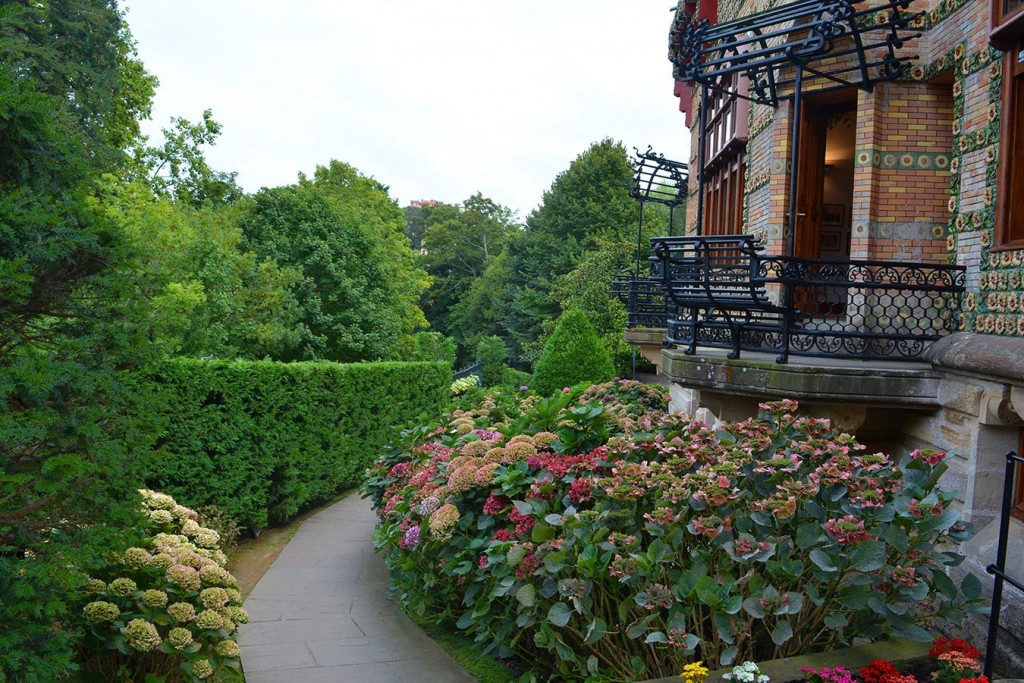
House in Comillas, Cantabria

Comillas is not one of those Spanish destinations that everyone dreams of visiting. Comillas is probably not even one of the places that you’ve somehow, accidentally, heard about. When we headed to this seaside town I did not expect much of it – a church in the centre, a few gorgeous views and some fresh breeze. It turned out that I have been completely mistaken. In a town, with a population of a bit over 2000, there were more architectural monuments than in some major cities. Our walk among the incredible villas covered in colourful flowers was a prelude to the sights from the Modernism period.

House in Comillas, Cantabria


Legends and history

In the past Comillas was a fishermen’s village. Its integral connection to the sea brought sustenance while also causing many to suffer. Storms have always been the biggest fear of all residents of seaside villages in the region of Cantabria. People often witnessed the immense waves devouring small fishermen’s boats just a few meters from the shore. Sadly, they could not do a thing. That is why many locals would pray to the saints and put their trust in the ring of the bells with the belief that their sound would calm the voracious sea. In the morning, when the storm had passed, stunning nymphs would come out of the crystal clear waters to dry fabrics they had woven from silver and gold. While waiting they would dance and with every step they made flowers would grow. Their blossoms would float in the air until they disappear like soap bubbles. If a man managed to catch one before it bursts, he would be happy all his life. And if, by any chance, he found a piece of the nymph’s clothes, the creatures would drag him to the bottom of the sea. There he could marry the most beautiful of them all. These legends of ravishing nymphs probably ceased all fear of storms so that fishermen could bravely venture into sea. They probably hoped to see one of these creatures. Captivated by the view from the lookout of Saint Lucia, we felt equally daring when heading around town.

The caprice of Gaudí

The caprice of Gaudí (El Capricho de Gaudí), Comillas, Cantabria

This is an unmatched house-palace built for the illustrious local lawyer Máximo Diaz de Quijano. That is one of the first buildings Gaudí has designed and one of the only three constructions he has outside Catalonia. He was only about 30 years old when he laid the basis of the Modernist architecture. His obsessive attention to detail that reaches its pinnacle in the well-known basilica “The Sagrada Familia”, can be noted even at this early stage. Gaudí carefully studies the character and lifestyle of Máximo so he could design a house that meets all needs of its owner. The house is like a sunflower that follows the path of the sun throughout the day. The day starts in the bedroom when the first rays of light would wake up the lawyer. Diaz de Quijano was known to be a womaniser and often went to bed with married women. That is why Gaudí designed blinds that would let in light without allowing curious peeking from outside.

The benches looking inwards. The caprice of Gaudí (El Capricho de Gaudí), Comillas, Cantabria

Máximo also loved to play the piano and there is a special premise devoted to this hobby of his. On the balcony of this hall there are benches. However, rather than facing towards the beautiful outside, they are looking inwards, where the pianist would be. For the music theme of this room Gaudí goes as far as designing unique windows that would give out a bell ring sound when you open and close them. The day ends with the colours of the sunrise at the dining and smoking room. The façade of the house is equally as impressive as the interior and it also has a number of symbols. There are five sunflower tile freezes that run around the whole building, acting as an allusion to a staff. The exterior is dominated by a peculiar tower from which the snug back garden can be enjoyed. Unfortunately, Máximo did not get a chance to fully enjoy his new home. He died shortly after it was finished. The palace is named “The caprice of Gaudí”  because the architect never came back to Comillas. He designed it on a whim and then abandoned it. 

The Sobrellano palace, Comillas, Cantabria

The Sobrellano palace is located near the caprice of Gaudí. It is a symmetric, Neo-Gothic building covered in stone lacing that reminds of Venetian style. The construction of the palace was commissioned by Antonio López, the first Marques of Comillas. This imposing  palace was constructed in the once poor neighbourhood where the Marques grew up. This building completes one of his childhood dreams. It is also a stately home where his good friend, kind Alfonso XII. It was the Spanish monarch who laid the first stone in 1881. The furniture inside is designed by Antoni Gaudí. The halls are bathed in light coming from the windows of colourfully stained glass or the exquisite chandeliers. Actually, the Sobrellano palace was the first building in Spain to ever use electric light.

The Pontificial University of Comillas

The Pontificial University of Comillas, Cantabria

From the gardens of the palace, situated on the top of a hill, you can marvel at the houses of Comillas nestled in the valley below. There is one more spectacular building on another nearby rise. Its red brick and ceramic façade beautifully contrasts the green grass carpet around it. There is an abundance of religious symbols and scenes as the university was founded to teach locals aspiring to be priests. Initially, with the blessing of Pope Pius X, there were courses of Theology, Philosophy and Canonic law. Nowadays, this is one of the best Spanish higher education institutions, offering a variety of degrees.

House in Comillas, Cantabria

House in Comillas, Cantabria

At the end of our monumental walk I could not help but wonder what drew some of the most distinguished Spanish artists, architects and sculptors to this small town. The answer has all to do with the first marques who made many efforts to develop Comillas. He was an initiative businessman, banker and philanthropist with an entrepreneurial mind. The generous Antonio López fully financed the university building. He also gave a loan to the Spanish government to back the war expenses in the Americas. Thanks to his merits he earned the Marques title and the highest distinction in the Spanish honours system. Sadly, he died before he could see completed his grandiose architectural projects. He surely would have been extremely proud with the flourishing Comillas. At the turn of the 19th century it that was one of the most loved resorts of the north of Spain. To this day the town has preserved some magic from the legends, some of the imagination of the great Gaudí and some of the love of Marques Antonio López. 

Follow:


July 13, 2026
Uncategorized

The Secret of Rome – Eva Milano

maximios
0 0 2
Share

According to a popular legend, if you throw a coin in Fontana di Trevi in Rome, one day you will come back to the Eternal city. I am not certain if all roads lead to Rome or whether the roots of this myth are based on true stories, but about a year after my first visit to the Italian capital – I came back.

Secret of Rome, St. Peter's Basilica

Photo by Giuseppe Milo on Flickr

My first tour of Rome had the most touristic itinerary you can imagine. It included: the Colosseum and the Pantheon, the museums of the Vatican and St. Peter’s basilica, the Spanish stairs and the gardens of the Borgias, Castel Sant’Angelo and the riverside promenade, dozens of squares and cathedrals. After a week in Rome, I had visited several times some of the most notable tourist attractions. I came back home with enough photos to publish a guide book and impressions that could fill in the pages of a few travel diaries.

Secret of Rome, Colosseum

Photo by Moyan Brenn on Flickr

My second visit was under the slogan of the Latin sentence: “When in Rome – live like the Romans”. Guided by a real contemporary Roman, who was born and had grown up in this remarkable city, I ventured into a search of “hidden gems”. We started the day in the late afternoon to avoid the summer heat – something that has never stopped me as a tourist.

–              Have you been to the Janiculum hill? – asked my local tour guide.

–             No.

–              What about the Parco Degli Acquedotti?

–              I’ve never even heard of it.

–             Do you know the secret of Rome?

–             No … What is it? – I was already intrigued.

–              I think it’s time to go.

We headed to the western part of the city. On our way, we passed by a rich neighbourhood and an alley bordered with imposingly tall trees. Finally, we could marveled at the stunning view over the city of Rome. I could see all the places I have visited as a tourist but from a new perspective. This panoramic view seemed like a metaphor of my current tour. Now I was not seeing separate buildings, streets and squares. I was seeing the whole picture laden with towers and domes soaring over a multitude of brick buildings.

–             What is that building that looks like a wealthy family’s mansion? – I said while pointing in the distance.

–             That is the villa of the Borgias, arguably the most avid family in the history of Renaissance Italy. You have a good sense – responded the Roman while smiling.

We had a short break during which I learned that my tour guide was working as a courier a few years ago. During Christmas time, loaded with around 25 parcels with presents, he entered the Vatican to make a delivery to the Pope. When he brought the packages to storage room, he saw at least a thousand similar ones, which would never reach the Pope due to security measures. Well, I doubt people are sending him anything more interesting than Virgin Mary figures and crucifixes. I also doubt that the Pope is lacking any the above.

Secret of Rome, Aqueduct park

Parco Degli Acquedotti

Our next stop was 8 kilometers away from the city center. The Aqueduct Park reminded of a field somewhere in the Italian countryside rather than a European park in the heart of a cosmopolitan city. I felt like I have gone back in time when I used to spend carefree summers in my grandparent’s village, searching for adventures in the neighbouring fields. This park was a real gem, even to my grown-up self. There was a huge Roman aqueduct built almost 2000 years ago passing through the whole park. The impressive line of arches towering as much as 30 meters above the ground goes on for 15 kilometers. This example of Ancient Rome’s engineering is just a small part of the entire structure which used to bring spring water to all 14 neighbourhoods of Rome.

Before sunset we headed to the secret that I was so eager to discover. My curiosity was growing by the second and I finally inquired:

–             What is the secret of Rome?

–             The secret – said the Roman – is hidden behind the keyhole of one of the buildings in Rome.

My attempt to satisfy my curiosity was counterproductive. What could I possibly see through the keyhole of a door?

Not long after, we stopped in front of a building. It was pretty but surely nothing impressive. Not only Rome but the whole of Italy was full of similar examples of classical architecture. There was a short line of people, eager just like me, waiting to see through the hole. I queued, feeling almost as thrilled as a child tearing through the wrap of its biggest Christmas present. A woman in front of me started laughing after peeking through the keyhole. The man after her did the same. It’s probably the statue of a naked boy, I thought, there are tons of these in Italy. Ultimately, it was my turn. When I looked through the keyhole, there was a stunning view. It was even more exciting than the anticipation. Through a tunnel of tall boxwood I could see the impressive dome of St. Peter’s basilica. Michelangelo’s masterpiece was the centre point in the distance.

Secret of Rome, Michelangelo's Dome of St. Peter's Basilica

Photo by Moyan Brenn on Flickr

–              How is this even possible? How was that build?! – I asked astonished.

–              Coincidence – said my tour guide.

–              Impossible! – I demanded.

–              It’s a coincidence and now I’ll show you why.

We headed to the nearby Orange garden to uncover the secret of Rome. This was definitely the most charming little park I’ve ever walked through. It was symmetrically laid out, filled with roses, pinias – an iconic to Italy tree, and dozens of small trees get heavy with oranges twice every year. The garden was magical and it opened up to a gorgeous view of Rome. There was still Michelangelo’s dome, dominating over the skyline of the city. The secret of Rome is truly a coincidence because you can get the same view from any point on the Aventine hill.

It took me some time to realise that not only the secret of Rome, but the secret of Italy itself is hidden in coincidental beauty. It is in all the small details like the cobbles, the narrow streets, the flowerpots, the soft music, the loud conversations, the tasty food and the bright sunshine. Details that fit so perfectly with one another that they create a uniquely romantic picture. The secret of Italy is the chance to fall in love on every corner.

Follow:

You may also enjoy:

  • Italian islands – Capri, Ischia and Procida

    Italian islands – Capri, Ischia and …

  • Charm hunting in Santander

    Charm hunting in Santander

  • Charming towns of Tuscany

    Charming towns of Tuscany

  • Barcelona for tourists

    Barcelona for tourists

July 13, 2026
Uncategorized

La Gomera, Canary Islands, tour of the island in three days

maximios
0 0 3
Share

La Gomera, a wonderful story about an unforgettable trip and a random encounter.

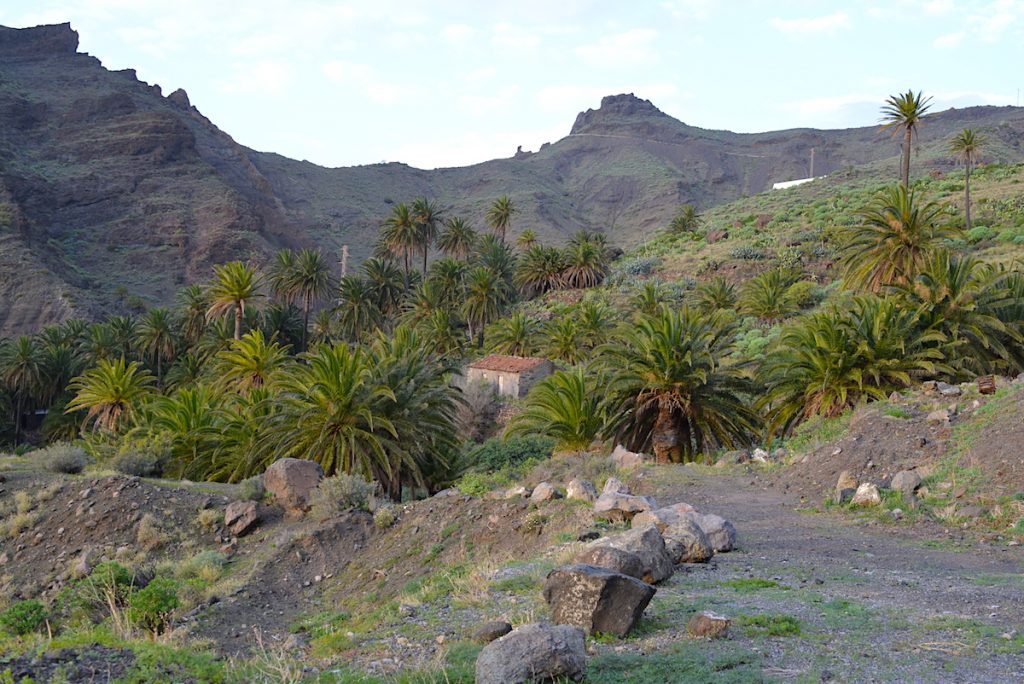
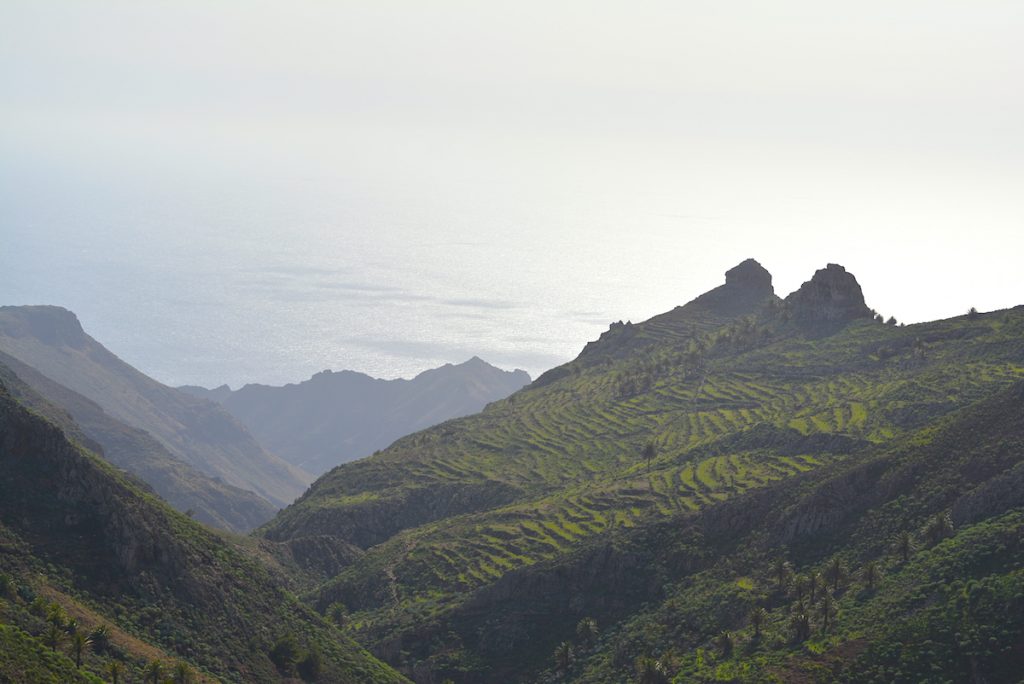
La Gomera, Canary Islands, tour of the island in three days

By the road, at the same spot as yesterday, was hitchhiking a blonde, elderly lady. I instantly stopped the car because I had already decided that I wanted to give a ride to one of the many walking tourists in La Gomera.

  • Where are you from? – she asked in English.

  • From Bulgaria – I replied. – What about you? – I said it out of courtesy. I was almost certain that she is German. The island was full of Germans. They were probably more than the locals.

  • I’m from the most Northern part of Norway.

  • Oh, so you’ve seen the Northern Lights? – I was intrigued.

  • If I have seen it? Of course, many, many times. – I was feeling jealous.

  • Well, here in La Gomera things are quite different. I suppose you’re enjoying a lovely escape from the cold Norwegian winter. How long are you staying for?

  • I’ve been here for a few months now – she started telling her story, – and I’ll spend here half an year in total. I hitchhike six times a week, twice a day. I like to find hidden gems around the island and to meet new people. After an early retirement, I decided to travel. My freedom, I felt, was much more important than money. Now I’m enjoying it.

I was giving a ride to some sort of “professional hitchhiker”. She must have met so many interesting travellers! I realised that on my back seat there was a person, who had devoted her time to discovering the most incredible places in La Gomera. So, I went for one of my regular questions:

  • What is your favourite place here?

As I was driving on the speed limit (50 km/h) on the curvy road, as my fellow traveller told me about the sights I should not miss. Following her advice, I managed to see most of the local landmarks in only three days!

La Gomera, Canary Islands, tour of the island in three days

Roque de Agando

La Gomera, Canary Islands, tour of the island in three days

El Cabrito

La Gomera, Canary Islands, tour of the island in three days

San Sebastian de La Gomera),

La Gomera, Canary Islands, tour of the island in three days

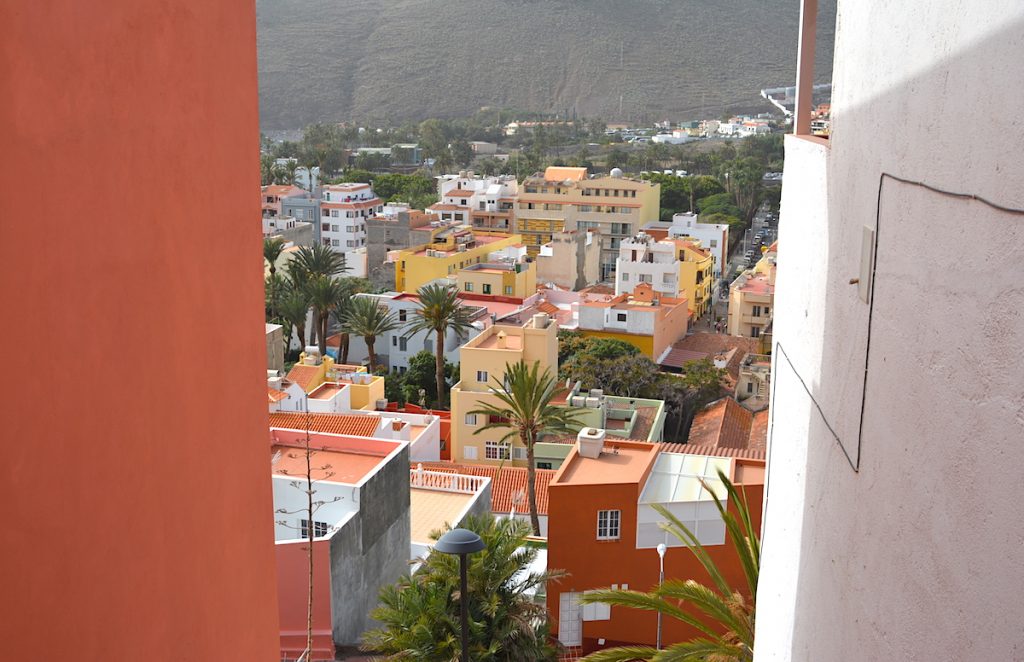
the capital of the island, is a delightful town where everyone seems to know each other. No, do not imagine a cosmopolitan city – here everything is small and close by. Wandering around the narrow streets, bordered with colourful houses, reminded me of the Arab quarter in Granada. Sometimes, in a tight space between buildings I would get a glimpse of the town below, or the beach, or the hills surrounding the laguna. These unexpected sights are my favourite because they bring me so much excitement! I was hurrying to get higher, so I can see the full picture. While I was tirelessly going up the stairs, my imagination was already painting the landscape.

Hermigua

La Gomera, Canary Islands, tour of the island in three days

Mirador de Abrantе

La Gomera, Canary Islands, tour of the island in three days

is a restaurant, inside a modern building, “sitting” on the edge of the red rocks over the town of Agulo. The entire dining hall is glazed from floor to ceiling so that it reveals a breathtaking view. When the sky is clear you can even notice the contours of the neighbouring island of Tenerife and the magnificent mount Teide. The most impressive part of the restaurant is a long cantilever, which literally hangs over the abyss below. In case you’re not afraid of heights, don’t miss this chance to “fly” over the vicinity. Also, have a delicious lunch trying some traditional Canarian wrinkled potatoes with coriander mojo.

The national park Garajonay,

La Gomera, Canary Islands, tour of the island in three days

also known as the “green heart of the island” is an evergreen laurel forest. This type of vegetation was widespread along the entire Mediterranean basin millions of years ago. Due to the Ice Ages the region cooled down and lost much of its greenery.
On La Gomera, as on a few other islands in the Atlantic ocean, these ancient forests are still well preserved. You can breathe their fresh, air while enjoying many (if not all) shades of green. In some places, the grass looks almost fluorescent, so bright it could possibly be seen at night. The trees are wearing fuzzy moss sweaters, knitted to size. Thanks to them the forest “captures” enough humidity from the air so that it can sustain itself even though the rainfall on the island is not sufficient.

Just before you reach Vallehermoso

La Gomera, Canary Islands, tour of the island in three days

there is a lay-by with benches. Standing here you can see the town, hugged by a variety of hills. The close ones seem crowded with colourful houses, ordered in the most beautiful manner – the chaotic one. The rest of the hills gradually fade away in the distance. The sunset here took me back to my marvelous trip among the hills of Tuscany. There they looked rounded and fluffy. Here, they are have crooked, weird shapes, which cannot be found on the European continent.

Lomo del Balo

La Gomera, Canary Islands, tour of the island in three days

The road to (Taguluche)

La Gomera, Canary Islands, tour of the island in three days

La Gomera, Canary Islands, tour of the island in three days

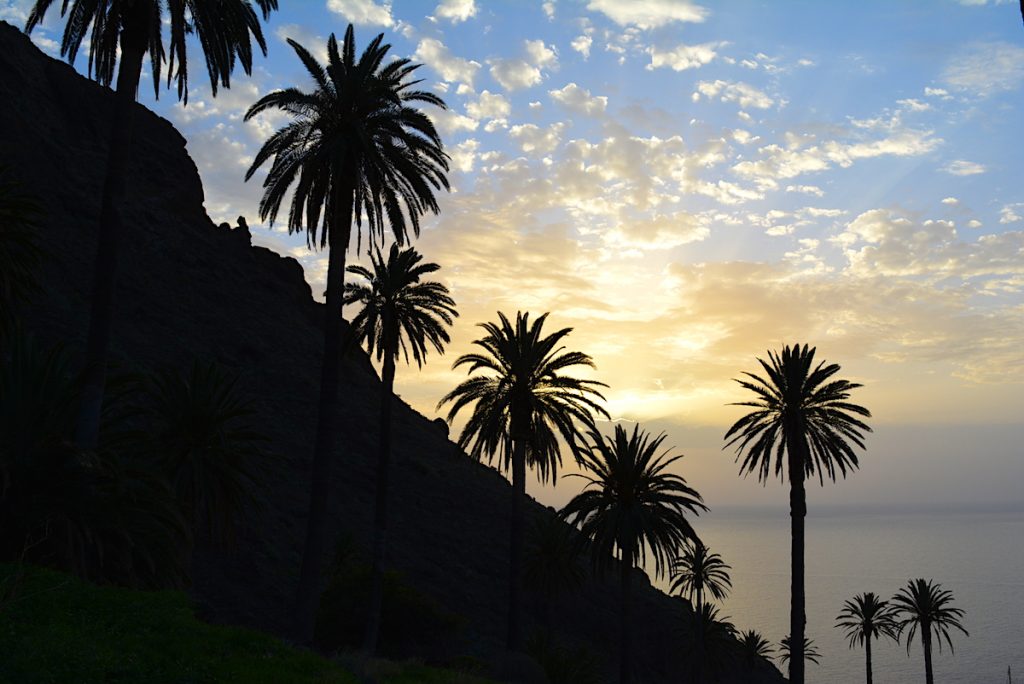
is narrow and it can be even dangerous in some sections where there is no road barriers. It might sound terrifying but I promise you the incredible views are absolutely worth the risk! If I ever come back to La Gomera, I will head straight to this secluded spot, to the meandering road, to the yellow sunset over the ocean and the exotic feeling that you’re somewhere far from civilisation. Taguluche, I love repeating that name. Taguluche, is sounds like a fruit-flavoured ice-cream.

La Gomera, Canary Islands, tour of the island in three days

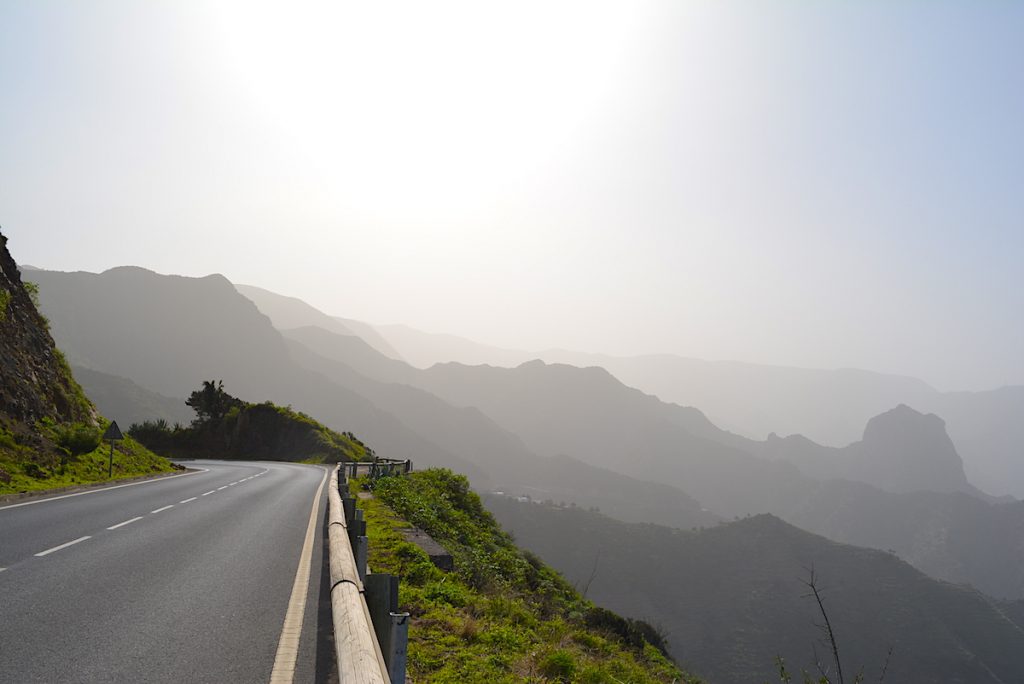
The road was meandering between the mountain hills like a river – going up, going down, or completely changing direction. As soon as I would see the sign for entering a village, I would be going out of it. When I got used to the curves I was left with the pleasure of a car ride with sea breeze, lots of sunlight, lone palm trees and colourful houses.

I would often think of the wonderful conversation I had with that hitchhiker. It ended before I even got her name. However, I was left with something much nicer – the sweet feeling that I have shared some lovely moments and travel dreams with a soul-mate.

La Gomera, Canary Islands, tour of the island in three days

Useful information:
The route I have described is circular – you can start at any point and finish at the same place. If you’re arriving at La Gomera by plane, your trip will start from the southern part of the island. In case you are travelling to the island by boat, you will begin from San Sebastian. Schedule more time to visit the National Park Garajonay as it has a variety of mountain routes with varied duration and level of difficulty. I strongly advise you to start your visit from the Visitors’ Centre (Centro de Visitantes del Parque Nacional de Garajonay, Juego de Bolas, La Palmita) so that you can pick the best route for yourself. If possible, go to see The Organs  (Los Órganos), a natural monument which was named after the musical instrument due to its similarity in shape.

Follow:

You may also enjoy:

  • Spaniards teach us how to enjoy life

    Spaniards teach us how to enjoy life

  • Concentration camp Sachsenhausen: the dark past of Oranienburg

    Concentration camp Sachsenhausen: the dark past of …

  • Granada, a town of four cultures

    Granada, a town of four cultures

  • Why the boats in Malta have a Norwegian design?

    Why the boats in Malta have a …


«‹ 13 14 15 16

Recent Posts

  • Desserts Archives – Eva Milano
  • Dairy-free pistachio ice-cream – easy nice-cream recipe with banana and avocado
  • Pizza Margherita Archives – Eva Milano
  • Healthy pizza Archives – Eva Milano
  • Vegetarian pizza Archives – Eva Milano

Recent Comments

No comments to show.

Archives

  • July 2026

Categories

  • Uncategorized
© aibo-europe.com 2026
Powered by WordPress • Themify WordPress Themes