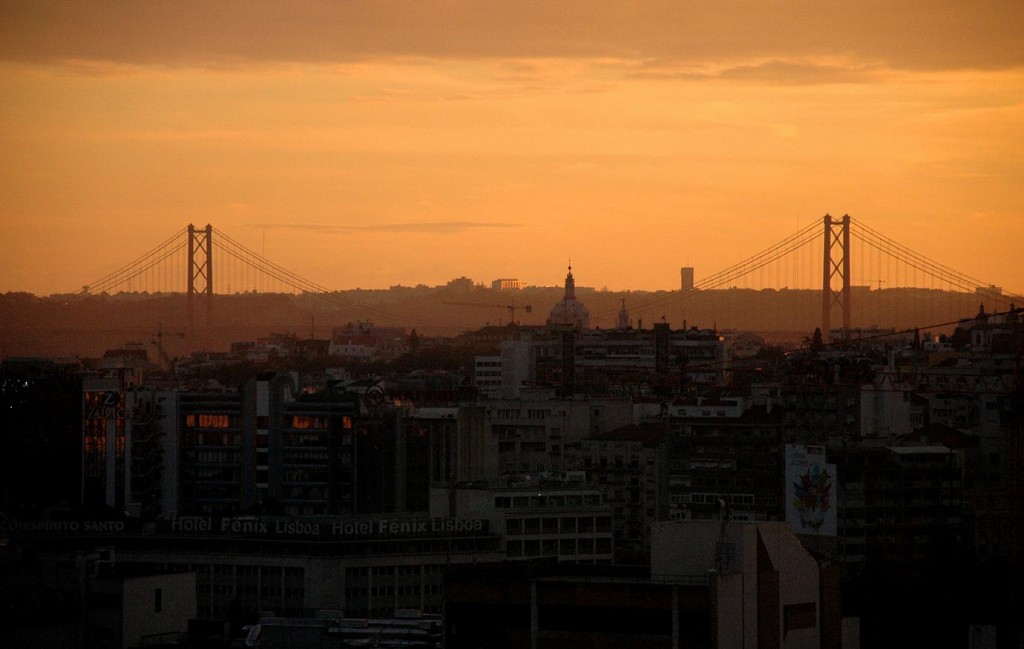
RSS
aibo-europe.com
July 13, 2026
Uncategorized

9 Quarantine Activities to Become the Best Version of Yourself

maximios
0 0 0
Share

Feeling bored? Spending too much time on social media? Maybe you’re overeating?

Sure, you can binge-watch a TV show, drink a little too much and play video games and get through the lockdown. If that’s not your perfect scenario, here are nine quarantine activities to keep you entertained while you’re learning and improving yourself.

1. Do yoga

I firmly believe in doing physical exercise every single day. It triggers the production of neurotransmitters such as endorphins, serotonin, and dopamine. Endorphins reduce the perception of pain and stress. Serotonin affects most of our 40 million brain cells, playing a role in regulating our mood, appetite, memory, social behaviour, and more. Dopamine levels influence our sleep, motivation, attention, among other behaviours and functions.

9 Activities to Improve Yourself During the Quarantine

Aside from the purely psychological part of movement, it also keeps our bodies healthy. This is why I have selected some of my favourite free yoga classes to tackle some common issues we face when spending too much time at home, or just sitting in general:

Yin Yoga For Upper Body
Yin Yoga for Hip Flexibility
Sun Salutation A
Sun Salutation B
(Once you learn both Sun Salutations A and B, do five rounds of each every morning to wake up your whole body).

2. Strengthen your core

Core muscles support your spine while having huge importance in basic everyday activities such as getting up, walking or bending down to grab something. A strong core (along with hip flexibility from point 1) is essential to protect your lower back, something many struggle with due to hours of sitting. Here are two of my favourite YouTube videos for core strength which get the job done in less than 15 minutes: 

10 Min No Equipment Beginner Ab Workout by Pamela Reif
Strengthen and Stabilize: Yoga Flow with Dylan Werner (this one is also for arm strength).

3. Meditate

There are so many concepts and expectations surrounding meditation that many end up doing it while questioning themselves “Am I doing this right?”. If you are a complete beginner, going for a guided meditation, such as this one for manifesting the things that you want in your life, is your best bet. Guided meditations are easy to follow and getting lost in thoughts is harder with them. If you’re into this, drop me a line on Instagram and I can add you to my free Whatsapp group where I share a new meditation every day, along with some practical tips and curious information.

4. Self-care

It might be hard to admit but to a large extent, we take care of ourselves to look better for others. As we are hardly going out or meeting any people, many are slacking on basics such as brushing your hair, shaving your beard or changing from your pyjamas. This, however, shows a lack of respect for yourself, that’s why it’s called “self-care”. Since it makes no sense to put on a fancy hairstyle or make-up, focus on treatments that will boost the health of your hair and skin. Think nourishing hair masks, hydrating hand creams, gentle face washes, etc. 

5. Learn a language

To me, language-learning is a time and effort investment that is bound to pay off. My advice is to go for a language you like, or learn the language of a culture you’re curious about, rather than reasoning “Chinese will help my career” or “Germany has a strong economy”. It’s next to impossible to be motivated long-term to do something you are not passionate about. On my way to mastering a fifth foreign language, I’m using Italki, an excellent website that connects you to native partners for language exchange or teachers for online classes. Hit me up and I can send you some free credits.
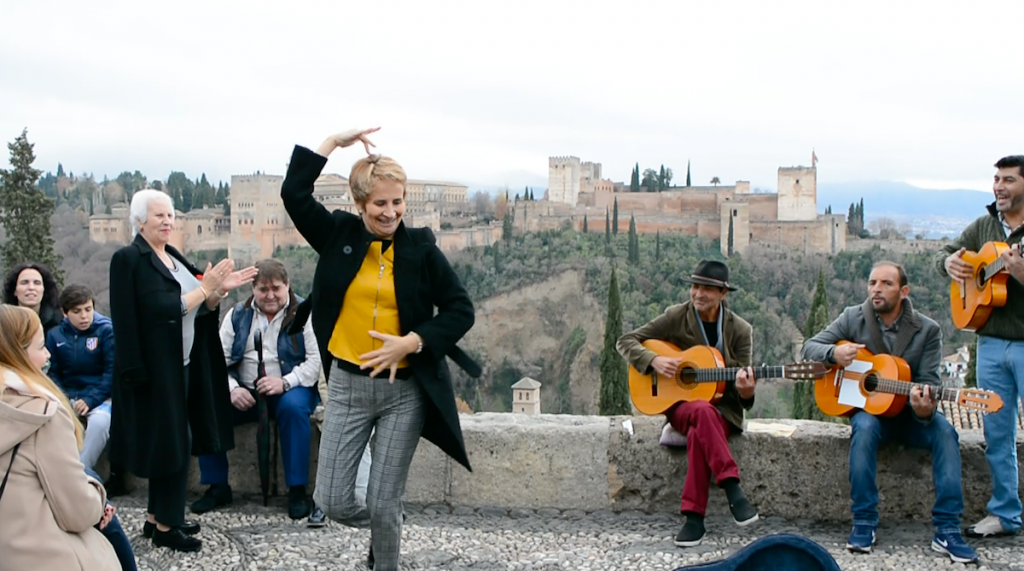
 Spaniards is teaching us how to enjoy life - 5 life lessons from the Spanish culture

6. Acquire a skill

Whether if’s learning about SEO, creative writing, negotiations, public speaking or videography, you’ve got a ton on free resources. My preferred way of learning is YouTube as videos are interactive and they activate two of your senses, which aids your memory. Alternatively, you can do a test to uncover the type of learner you are, to choose the best approach for you. Based on this knowledge you will be able to acquire skills faster, which will, in turn, boost your confidence and keep you going.

7. Cook something new

Chances are you’ve already experimented in the kitchen since the lockdown has started. If you still haven’t, or you’re looking for some healthy recipes in general, these are some that my readers and I love:

Gorgeous vegan American pancakes, the perfect weekend breakfast

Spanish tortilla – simple and tasty
Gorgeous vegan American pancakes
Vegan Lemon Coconut Slices
The best tahini salad dressing 
Vegan Golden milk

8. Social media detox

I tried this one last weekend to test whether it will help me be more productive. Truth be told, there are thousands of ways to waste your time and procrastinate even without social channels. Nevertheless, dropping constant messaging for a couple of days left me feeling more centred, relaxed and at peace with myself. You can even try to stay away from social media during the week if your job allows you to do that.

9. Minimalist challenge

Пътуването с цел учение: 5 житейски урока, които научих на път

Personally, I don’t do this now as minimalism has become a part of my digital nomad lifestyle, changing countries and cities too often to bother owning much. If you cannot remember the last time you de-cluttered your desktop or closet, doing a challenge like this can help you stay more organised and focused. I enjoy letting go of things that don’t bring me joy anymore they way that some feel about shopping. Here’s an amazing 30 days to Minimalism guide. 

Well, now it’s your turn. Which of these nine suggestions do you like the most? 

Do you fancy more ideas like these?

Follow:

July 13, 2026
Uncategorized

Lisbon – a trip around the Portuguese capital

maximios
0 0 0
Share
The small Lisbon and the big earthquake, View from above
Photo by Raphaël Chekroun on Flickr 

Picasso once said: ¨The urge to destroy is also a creative urge¨. At times you really need to demolish something good in order to create something great. That is the case with one of the most astonishing European capitals – Lisbon.  The small Lisbon and the big earthquake, Praça do Comércio

Photo by Nicolas Vollmer on Flickr,
Brightness and Saturation adjustments

It is also known as the Sunny city because of the bright Sun that you can enjoy here. The town was first founded by the Phoenicians. It was later conquered by the Romans who left a rich historical legacy – their religion, language and architecture. In the 13th century the Moors initiated a new stage in the development of Lisbon: the look of the streets is completely transformed when all facades are panelled with colourful tiles.

The morning of November 1st 1755 everything changes in a way no one could ever imagine. On the day of All Saints the pious citizens of Lisbon lit up candles to honour the dead. Everyone gathers in the cathedrals for the daily mass. When an earthquake with magnitude 9.0 on Richter scale reaches the city, most of its population is in the temples. The rooftops of the catholic places of prayer start to collapse, burying multitudes of people under their remains.

The olive oil in the street lamps and the dozens of candles were the cause of a massive fire that burned down over 12 000 wooden buildings. The surviving citizens of Lisbon headed towards the main square Praça do Comércio. They saw that the river Tejo has withdrawn and entered its bed in seek of rescue. Later came a tsunami and it made the final blow on the city. 

It is fair to say that on that day All Saints were not watching over Lisbon. On top of all the king Jose I decided to flee, saying that one cannot do anything against the divine intervention.

This earthquake is known as the most devastating one in the history of the Old continent. Nowadays the information about the consequences of it is quite contradictory. Some claim that 80% of all buildings were destroyed and 75% of Lisbon citizens died during the natural disaster or due to wounds of it. 

Fortunately, the prime minister Sebastião e Mello stays, determined to build a new, more fascinating Lisbon. He does not know a lot about construction, but he takes on the problem with logic. After the earthquake most dwellings are ruins, still the arches of the cathedrals seem untouched. Well, the Romans knew how strong this structure is 2000 years earlier. Minister Mello, however, is 200 years ahead of his time when setting out to build a city resistant to seismic activity. To test his projects he uses a scaled model of Lisbon and asks his army to march alongside it, creating an effect similar to an earthquake. Using the trial-error method Mello creates a new Lisbon from the ruins of the Apocalipsis in less than a year.

The small Lisbon and the big earthquake, View from above

 Photo by Pug Girl on Flickr 

Our tour of the Portuguese capital started with this lovely story. Our guide, a recent graduate of Tourism who, despite of the wise advice of the presided decided not to leave the country to lower the number of unemployed. He stayed to animate curious tourists like me with stories of his homeland. We were crossing a two-way street when Rafa stopped and asked:

– So, what do you think about this street?

I was not sure I understood his question – it was just an ordinary street. I looked at the pavement, the buildings, the parked cars – it was all regular.
– What do you think – he repeated – does this seem like a big boulevard?

Like I already said, it was just a two-way street. However, in the 18th century it seemed more like an avenue. Lisbonians were appalled at the seemingly mad minister, who was wasting the plots for buildings to make streets. Today, Mello is considered a very forward-thinking individual with brilliant ideas.

The arches are not the only element of the Ancient Roman architecture that the Portuguese choose to revive. In 1842 a group of prisoners was punished with the laborious task to pave the entire royal courtyard with black and white cobblestones, placed in zigzag motif. The artwork arouse great interest. A few years later the use of black basalt and white limestone became compulsory in the central part of Lisbon.

The small Lisbon and the big earthquake, Rossio square

Photo by Luca Sartoni on Flickr

Presently, you can enjoy various designs on the streets, courtyards, squares and even the walkways of the city. The technology of it requires hand-carving each stone cube before placing it in a sand bed. The pieces are ordered so tightly that a square meter can fit as much as 400 of them! Nevertheless, this pavement allows rainwater to reach the soil beneath it, preventing the streets from floods. A gorgeous example of this art is the ¨wide sea¨ motif seen on Rossio square. It shows the unification between Portugal and the ocean. Thanks to their integrity this cobblestone artwork reaches faraway colonies like Brasil and Macao.

Lisbon is an impressive capital that still has the footprint of diverse cultures during various periods. It is often called the city of the seven hills, like Rome. In reality, the hills are a lot more and each of them reveals marvellous ¨pieces¨of the puzzle ¨view from above¨. Get lost between the streets of Lisbon and look for some crevice between the sides of two buildings. Keep in mind one useful tip: wherever you are in the centre of the city, the cobblestones will guide you. And relax, thanks to the Roman technology Lisbon is now safe from earthquakes and tsunamis.

Follow:

July 13, 2026
Uncategorized

what to visit in Lisbon Archives – Eva Milano

maximios
0 0 0
Share
The small Lisbon and the big earthquake, View from above
Photo by Raphaël Chekroun on Flickr 

Picasso once said: ¨The urge to destroy is also a creative urge¨. At times you really need to demolish something good in order to create something great. That is the case with one of the most astonishing European capitals – Lisbon. 

The small Lisbon and the big earthquake, Praça do Comércio
Photo by Nicolas Vollmer on Flickr,
Brightness and Saturation adjustments

It is also known as the Sunny city because of the bright Sun that you can enjoy here. The town was first founded by the Phoenicians. It was later conquered by the Romans who left a rich historical legacy – their religion, language and architecture. In the 13th century the Moors initiated a new stage in the development of Lisbon: the look of the streets is completely transformed when all facades are panelled with colourful tiles.

The morning of November 1st 1755 everything changes in a way no one could ever imagine. On the day of All Saints the pious citizens of Lisbon lit up candles to honour the dead. Everyone gathers in the cathedrals for the daily mass. When an earthquake with magnitude 9.0 on Richter scale reaches the city, most of its population is in the temples. The rooftops of the catholic places of prayer start to collapse, burying multitudes of people under their remains.

The olive oil in the street lamps and the dozens of candles were the cause of a massive fire that burned down over 12 000 wooden buildings. The surviving citizens of Lisbon headed towards the main square Praça do Comércio. They saw that the river Tejo has withdrawn and entered its bed in seek of rescue. Later came a tsunami and it made the final blow on the city. 

It is fair to say that on that day All Saints were not watching over Lisbon. On top of all the king Jose I decided to flee, saying that one cannot do anything against the divine intervention.

This earthquake is known as the most devastating one in the history of the Old continent. Nowadays the information about the consequences of it is quite contradictory. Some claim that 80% of all buildings were destroyed and 75% of Lisbon citizens died during the natural disaster or due to wounds of it. 

Fortunately, the prime minister Sebastião e Mello stays, determined to build a new, more fascinating Lisbon. He does not know a lot about construction, but he takes on the problem with logic. After the earthquake most dwellings are ruins, still the arches of the cathedrals seem untouched. Well, the Romans knew how strong this structure is 2000 years earlier. Minister Mello, however, is 200 years ahead of his time when setting out to build a city resistant to seismic activity. To test his projects he uses a scaled model of Lisbon and asks his army to march alongside it, creating an effect similar to an earthquake. Using the trial-error method Mello creates a new Lisbon from the ruins of the Apocalipsis in less than a year.

The small Lisbon and the big earthquake, View from above
Photo by Pug Girl on Flickr 

Our tour of the Portuguese capital started with this lovely story. Our guide, a recent graduate of Tourism who, despite of the wise advice of the presided decided not to leave the country to lower the number of unemployed. He stayed to animate curious tourists like me with stories of his homeland. We were crossing a two-way street when Rafa stopped and asked:

– So, what do you think about this street?

I was not sure I understood his question – it was just an ordinary street. I looked at the pavement, the buildings, the parked cars – it was all regular.
– What do you think – he repeated – does this seem like a big boulevard?

Like I already said, it was just a two-way street. However, in the 18th century it seemed more like an avenue. Lisbonians were appalled at the seemingly mad minister, who was wasting the plots for buildings to make streets. Today, Mello is considered a very forward-thinking individual with brilliant ideas.

The arches are not the only element of the Ancient Roman architecture that the Portuguese choose to revive. In 1842 a group of prisoners was punished with the laborious task to pave the entire royal courtyard with black and white cobblestones, placed in zigzag motif. The artwork arouse great interest. A few years later the use of black basalt and white limestone became compulsory in the central part of Lisbon.

The small Lisbon and the big earthquake, Rossio square
Photo by Luca Sartoni on Flickr

Presently, you can enjoy various designs on the streets, courtyards, squares and even the walkways of the city. The technology of it requires hand-carving each stone cube before placing it in a sand bed. The pieces are ordered so tightly that a square meter can fit as much as 400 of them! Nevertheless, this pavement allows rainwater to reach the soil beneath it, preventing the streets from floods. A gorgeous example of this art is the ¨wide sea¨ motif seen on Rossio square. It shows the unification between Portugal and the ocean. Thanks to their integrity this cobblestone artwork reaches faraway colonies like Brasil and Macao.

Lisbon is an impressive capital that still has the footprint of diverse cultures during various periods. It is often called the city of the seven hills, like Rome. In reality, the hills are a lot more and each of them reveals marvellous ¨pieces¨of the puzzle ¨view from above¨. Get lost between the streets of Lisbon and look for some crevice between the sides of two buildings. Keep in mind one useful tip: wherever you are in the centre of the city, the cobblestones will guide you. And relax, thanks to the Roman technology Lisbon is now safe from earthquakes and tsunamis.

Follow:

You may also enjoy:

  • Charming towns of Tuscany

    Charming towns of Tuscany

  • The Secret of Rome

    The Secret of Rome

  • Charm hunting in Santander

    Charm hunting in Santander

  • Barcelona for tourists

    Barcelona for tourists

July 13, 2026
Uncategorized

Lisbon Archives – Eva Milano

maximios
0 0 0
Share
The small Lisbon and the big earthquake, View from above
Photo by Raphaël Chekroun on Flickr 

Picasso once said: ¨The urge to destroy is also a creative urge¨. At times you really need to demolish something good in order to create something great. That is the case with one of the most astonishing European capitals – Lisbon. 

The small Lisbon and the big earthquake, Praça do Comércio
Photo by Nicolas Vollmer on Flickr,
Brightness and Saturation adjustments

It is also known as the Sunny city because of the bright Sun that you can enjoy here. The town was first founded by the Phoenicians. It was later conquered by the Romans who left a rich historical legacy – their religion, language and architecture. In the 13th century the Moors initiated a new stage in the development of Lisbon: the look of the streets is completely transformed when all facades are panelled with colourful tiles.

The morning of November 1st 1755 everything changes in a way no one could ever imagine. On the day of All Saints the pious citizens of Lisbon lit up candles to honour the dead. Everyone gathers in the cathedrals for the daily mass. When an earthquake with magnitude 9.0 on Richter scale reaches the city, most of its population is in the temples. The rooftops of the catholic places of prayer start to collapse, burying multitudes of people under their remains.

The olive oil in the street lamps and the dozens of candles were the cause of a massive fire that burned down over 12 000 wooden buildings. The surviving citizens of Lisbon headed towards the main square Praça do Comércio. They saw that the river Tejo has withdrawn and entered its bed in seek of rescue. Later came a tsunami and it made the final blow on the city. 

It is fair to say that on that day All Saints were not watching over Lisbon. On top of all the king Jose I decided to flee, saying that one cannot do anything against the divine intervention.

This earthquake is known as the most devastating one in the history of the Old continent. Nowadays the information about the consequences of it is quite contradictory. Some claim that 80% of all buildings were destroyed and 75% of Lisbon citizens died during the natural disaster or due to wounds of it. 

Fortunately, the prime minister Sebastião e Mello stays, determined to build a new, more fascinating Lisbon. He does not know a lot about construction, but he takes on the problem with logic. After the earthquake most dwellings are ruins, still the arches of the cathedrals seem untouched. Well, the Romans knew how strong this structure is 2000 years earlier. Minister Mello, however, is 200 years ahead of his time when setting out to build a city resistant to seismic activity. To test his projects he uses a scaled model of Lisbon and asks his army to march alongside it, creating an effect similar to an earthquake. Using the trial-error method Mello creates a new Lisbon from the ruins of the Apocalipsis in less than a year.

The small Lisbon and the big earthquake, View from above
Photo by Pug Girl on Flickr 

Our tour of the Portuguese capital started with this lovely story. Our guide, a recent graduate of Tourism who, despite of the wise advice of the presided decided not to leave the country to lower the number of unemployed. He stayed to animate curious tourists like me with stories of his homeland. We were crossing a two-way street when Rafa stopped and asked:

– So, what do you think about this street?

I was not sure I understood his question – it was just an ordinary street. I looked at the pavement, the buildings, the parked cars – it was all regular.
– What do you think – he repeated – does this seem like a big boulevard?

Like I already said, it was just a two-way street. However, in the 18th century it seemed more like an avenue. Lisbonians were appalled at the seemingly mad minister, who was wasting the plots for buildings to make streets. Today, Mello is considered a very forward-thinking individual with brilliant ideas.

The arches are not the only element of the Ancient Roman architecture that the Portuguese choose to revive. In 1842 a group of prisoners was punished with the laborious task to pave the entire royal courtyard with black and white cobblestones, placed in zigzag motif. The artwork arouse great interest. A few years later the use of black basalt and white limestone became compulsory in the central part of Lisbon.

The small Lisbon and the big earthquake, Rossio square
Photo by Luca Sartoni on Flickr

Presently, you can enjoy various designs on the streets, courtyards, squares and even the walkways of the city. The technology of it requires hand-carving each stone cube before placing it in a sand bed. The pieces are ordered so tightly that a square meter can fit as much as 400 of them! Nevertheless, this pavement allows rainwater to reach the soil beneath it, preventing the streets from floods. A gorgeous example of this art is the ¨wide sea¨ motif seen on Rossio square. It shows the unification between Portugal and the ocean. Thanks to their integrity this cobblestone artwork reaches faraway colonies like Brasil and Macao.

Lisbon is an impressive capital that still has the footprint of diverse cultures during various periods. It is often called the city of the seven hills, like Rome. In reality, the hills are a lot more and each of them reveals marvellous ¨pieces¨of the puzzle ¨view from above¨. Get lost between the streets of Lisbon and look for some crevice between the sides of two buildings. Keep in mind one useful tip: wherever you are in the centre of the city, the cobblestones will guide you. And relax, thanks to the Roman technology Lisbon is now safe from earthquakes and tsunamis.

Follow:

You may also enjoy:

  • Barcelona for tourists

    Barcelona for tourists

  • Lucca – Oh, that Nutella!

    Lucca – Oh, that Nutella!

  • The Secret of Rome

    The Secret of Rome

  • Charming towns of Tuscany

    Charming towns of Tuscany

July 13, 2026
Uncategorized

Praca do Comercio Archives – Eva Milano

maximios
0 0 0
Share
The small Lisbon and the big earthquake, View from above
Photo by Raphaël Chekroun on Flickr 

Picasso once said: ¨The urge to destroy is also a creative urge¨. At times you really need to demolish something good in order to create something great. That is the case with one of the most astonishing European capitals – Lisbon. 

The small Lisbon and the big earthquake, Praça do Comércio
Photo by Nicolas Vollmer on Flickr,
Brightness and Saturation adjustments

It is also known as the Sunny city because of the bright Sun that you can enjoy here. The town was first founded by the Phoenicians. It was later conquered by the Romans who left a rich historical legacy – their religion, language and architecture. In the 13th century the Moors initiated a new stage in the development of Lisbon: the look of the streets is completely transformed when all facades are panelled with colourful tiles.

The morning of November 1st 1755 everything changes in a way no one could ever imagine. On the day of All Saints the pious citizens of Lisbon lit up candles to honour the dead. Everyone gathers in the cathedrals for the daily mass. When an earthquake with magnitude 9.0 on Richter scale reaches the city, most of its population is in the temples. The rooftops of the catholic places of prayer start to collapse, burying multitudes of people under their remains.

The olive oil in the street lamps and the dozens of candles were the cause of a massive fire that burned down over 12 000 wooden buildings. The surviving citizens of Lisbon headed towards the main square Praça do Comércio. They saw that the river Tejo has withdrawn and entered its bed in seek of rescue. Later came a tsunami and it made the final blow on the city. 

It is fair to say that on that day All Saints were not watching over Lisbon. On top of all the king Jose I decided to flee, saying that one cannot do anything against the divine intervention.

This earthquake is known as the most devastating one in the history of the Old continent. Nowadays the information about the consequences of it is quite contradictory. Some claim that 80% of all buildings were destroyed and 75% of Lisbon citizens died during the natural disaster or due to wounds of it. 

Fortunately, the prime minister Sebastião e Mello stays, determined to build a new, more fascinating Lisbon. He does not know a lot about construction, but he takes on the problem with logic. After the earthquake most dwellings are ruins, still the arches of the cathedrals seem untouched. Well, the Romans knew how strong this structure is 2000 years earlier. Minister Mello, however, is 200 years ahead of his time when setting out to build a city resistant to seismic activity. To test his projects he uses a scaled model of Lisbon and asks his army to march alongside it, creating an effect similar to an earthquake. Using the trial-error method Mello creates a new Lisbon from the ruins of the Apocalipsis in less than a year.

The small Lisbon and the big earthquake, View from above
Photo by Pug Girl on Flickr 

Our tour of the Portuguese capital started with this lovely story. Our guide, a recent graduate of Tourism who, despite of the wise advice of the presided decided not to leave the country to lower the number of unemployed. He stayed to animate curious tourists like me with stories of his homeland. We were crossing a two-way street when Rafa stopped and asked:

– So, what do you think about this street?

I was not sure I understood his question – it was just an ordinary street. I looked at the pavement, the buildings, the parked cars – it was all regular.
– What do you think – he repeated – does this seem like a big boulevard?

Like I already said, it was just a two-way street. However, in the 18th century it seemed more like an avenue. Lisbonians were appalled at the seemingly mad minister, who was wasting the plots for buildings to make streets. Today, Mello is considered a very forward-thinking individual with brilliant ideas.

The arches are not the only element of the Ancient Roman architecture that the Portuguese choose to revive. In 1842 a group of prisoners was punished with the laborious task to pave the entire royal courtyard with black and white cobblestones, placed in zigzag motif. The artwork arouse great interest. A few years later the use of black basalt and white limestone became compulsory in the central part of Lisbon.

The small Lisbon and the big earthquake, Rossio square
Photo by Luca Sartoni on Flickr

Presently, you can enjoy various designs on the streets, courtyards, squares and even the walkways of the city. The technology of it requires hand-carving each stone cube before placing it in a sand bed. The pieces are ordered so tightly that a square meter can fit as much as 400 of them! Nevertheless, this pavement allows rainwater to reach the soil beneath it, preventing the streets from floods. A gorgeous example of this art is the ¨wide sea¨ motif seen on Rossio square. It shows the unification between Portugal and the ocean. Thanks to their integrity this cobblestone artwork reaches faraway colonies like Brasil and Macao.

Lisbon is an impressive capital that still has the footprint of diverse cultures during various periods. It is often called the city of the seven hills, like Rome. In reality, the hills are a lot more and each of them reveals marvellous ¨pieces¨of the puzzle ¨view from above¨. Get lost between the streets of Lisbon and look for some crevice between the sides of two buildings. Keep in mind one useful tip: wherever you are in the centre of the city, the cobblestones will guide you. And relax, thanks to the Roman technology Lisbon is now safe from earthquakes and tsunamis.

Follow:

You may also enjoy:

  • Charming towns of Tuscany

    Charming towns of Tuscany

  • Girona – history and colours

    Girona – history and colours

  • Charm hunting in Santander

    Charm hunting in Santander

  • Barcelona for tourists

    Barcelona for tourists

July 13, 2026
Uncategorized

Portugal Archives – Eva Milano

maximios
0 0 0
Share
The small Lisbon and the big earthquake, View from above
Photo by Raphaël Chekroun on Flickr 

Picasso once said: ¨The urge to destroy is also a creative urge¨. At times you really need to demolish something good in order to create something great. That is the case with one of the most astonishing European capitals – Lisbon. 

The small Lisbon and the big earthquake, Praça do Comércio
Photo by Nicolas Vollmer on Flickr,
Brightness and Saturation adjustments

It is also known as the Sunny city because of the bright Sun that you can enjoy here. The town was first founded by the Phoenicians. It was later conquered by the Romans who left a rich historical legacy – their religion, language and architecture. In the 13th century the Moors initiated a new stage in the development of Lisbon: the look of the streets is completely transformed when all facades are panelled with colourful tiles.

The morning of November 1st 1755 everything changes in a way no one could ever imagine. On the day of All Saints the pious citizens of Lisbon lit up candles to honour the dead. Everyone gathers in the cathedrals for the daily mass. When an earthquake with magnitude 9.0 on Richter scale reaches the city, most of its population is in the temples. The rooftops of the catholic places of prayer start to collapse, burying multitudes of people under their remains.

The olive oil in the street lamps and the dozens of candles were the cause of a massive fire that burned down over 12 000 wooden buildings. The surviving citizens of Lisbon headed towards the main square Praça do Comércio. They saw that the river Tejo has withdrawn and entered its bed in seek of rescue. Later came a tsunami and it made the final blow on the city. 

It is fair to say that on that day All Saints were not watching over Lisbon. On top of all the king Jose I decided to flee, saying that one cannot do anything against the divine intervention.

This earthquake is known as the most devastating one in the history of the Old continent. Nowadays the information about the consequences of it is quite contradictory. Some claim that 80% of all buildings were destroyed and 75% of Lisbon citizens died during the natural disaster or due to wounds of it. 

Fortunately, the prime minister Sebastião e Mello stays, determined to build a new, more fascinating Lisbon. He does not know a lot about construction, but he takes on the problem with logic. After the earthquake most dwellings are ruins, still the arches of the cathedrals seem untouched. Well, the Romans knew how strong this structure is 2000 years earlier. Minister Mello, however, is 200 years ahead of his time when setting out to build a city resistant to seismic activity. To test his projects he uses a scaled model of Lisbon and asks his army to march alongside it, creating an effect similar to an earthquake. Using the trial-error method Mello creates a new Lisbon from the ruins of the Apocalipsis in less than a year.

The small Lisbon and the big earthquake, View from above
Photo by Pug Girl on Flickr 

Our tour of the Portuguese capital started with this lovely story. Our guide, a recent graduate of Tourism who, despite of the wise advice of the presided decided not to leave the country to lower the number of unemployed. He stayed to animate curious tourists like me with stories of his homeland. We were crossing a two-way street when Rafa stopped and asked:

– So, what do you think about this street?

I was not sure I understood his question – it was just an ordinary street. I looked at the pavement, the buildings, the parked cars – it was all regular.
– What do you think – he repeated – does this seem like a big boulevard?

Like I already said, it was just a two-way street. However, in the 18th century it seemed more like an avenue. Lisbonians were appalled at the seemingly mad minister, who was wasting the plots for buildings to make streets. Today, Mello is considered a very forward-thinking individual with brilliant ideas.

The arches are not the only element of the Ancient Roman architecture that the Portuguese choose to revive. In 1842 a group of prisoners was punished with the laborious task to pave the entire royal courtyard with black and white cobblestones, placed in zigzag motif. The artwork arouse great interest. A few years later the use of black basalt and white limestone became compulsory in the central part of Lisbon.

The small Lisbon and the big earthquake, Rossio square
Photo by Luca Sartoni on Flickr

Presently, you can enjoy various designs on the streets, courtyards, squares and even the walkways of the city. The technology of it requires hand-carving each stone cube before placing it in a sand bed. The pieces are ordered so tightly that a square meter can fit as much as 400 of them! Nevertheless, this pavement allows rainwater to reach the soil beneath it, preventing the streets from floods. A gorgeous example of this art is the ¨wide sea¨ motif seen on Rossio square. It shows the unification between Portugal and the ocean. Thanks to their integrity this cobblestone artwork reaches faraway colonies like Brasil and Macao.

Lisbon is an impressive capital that still has the footprint of diverse cultures during various periods. It is often called the city of the seven hills, like Rome. In reality, the hills are a lot more and each of them reveals marvellous ¨pieces¨of the puzzle ¨view from above¨. Get lost between the streets of Lisbon and look for some crevice between the sides of two buildings. Keep in mind one useful tip: wherever you are in the centre of the city, the cobblestones will guide you. And relax, thanks to the Roman technology Lisbon is now safe from earthquakes and tsunamis.

Follow:

You may also enjoy:

  • Barcelona for tourists

    Barcelona for tourists

  • Charm hunting in Santander

    Charm hunting in Santander

  • Volterra – the heart of Tuscany

    Volterra – the heart of Tuscany

  • Charming towns of Tuscany

    Charming towns of Tuscany

July 13, 2026
Uncategorized

places to see in Lisbon Archives – Eva Milano

maximios
0 0 0
Share
The small Lisbon and the big earthquake, View from above
Photo by Raphaël Chekroun on Flickr 

Picasso once said: ¨The urge to destroy is also a creative urge¨. At times you really need to demolish something good in order to create something great. That is the case with one of the most astonishing European capitals – Lisbon. 

The small Lisbon and the big earthquake, Praça do Comércio
Photo by Nicolas Vollmer on Flickr,
Brightness and Saturation adjustments

It is also known as the Sunny city because of the bright Sun that you can enjoy here. The town was first founded by the Phoenicians. It was later conquered by the Romans who left a rich historical legacy – their religion, language and architecture. In the 13th century the Moors initiated a new stage in the development of Lisbon: the look of the streets is completely transformed when all facades are panelled with colourful tiles.

The morning of November 1st 1755 everything changes in a way no one could ever imagine. On the day of All Saints the pious citizens of Lisbon lit up candles to honour the dead. Everyone gathers in the cathedrals for the daily mass. When an earthquake with magnitude 9.0 on Richter scale reaches the city, most of its population is in the temples. The rooftops of the catholic places of prayer start to collapse, burying multitudes of people under their remains.

The olive oil in the street lamps and the dozens of candles were the cause of a massive fire that burned down over 12 000 wooden buildings. The surviving citizens of Lisbon headed towards the main square Praça do Comércio. They saw that the river Tejo has withdrawn and entered its bed in seek of rescue. Later came a tsunami and it made the final blow on the city. 

It is fair to say that on that day All Saints were not watching over Lisbon. On top of all the king Jose I decided to flee, saying that one cannot do anything against the divine intervention.

This earthquake is known as the most devastating one in the history of the Old continent. Nowadays the information about the consequences of it is quite contradictory. Some claim that 80% of all buildings were destroyed and 75% of Lisbon citizens died during the natural disaster or due to wounds of it. 

Fortunately, the prime minister Sebastião e Mello stays, determined to build a new, more fascinating Lisbon. He does not know a lot about construction, but he takes on the problem with logic. After the earthquake most dwellings are ruins, still the arches of the cathedrals seem untouched. Well, the Romans knew how strong this structure is 2000 years earlier. Minister Mello, however, is 200 years ahead of his time when setting out to build a city resistant to seismic activity. To test his projects he uses a scaled model of Lisbon and asks his army to march alongside it, creating an effect similar to an earthquake. Using the trial-error method Mello creates a new Lisbon from the ruins of the Apocalipsis in less than a year.

The small Lisbon and the big earthquake, View from above
Photo by Pug Girl on Flickr 

Our tour of the Portuguese capital started with this lovely story. Our guide, a recent graduate of Tourism who, despite of the wise advice of the presided decided not to leave the country to lower the number of unemployed. He stayed to animate curious tourists like me with stories of his homeland. We were crossing a two-way street when Rafa stopped and asked:

– So, what do you think about this street?

I was not sure I understood his question – it was just an ordinary street. I looked at the pavement, the buildings, the parked cars – it was all regular.
– What do you think – he repeated – does this seem like a big boulevard?

Like I already said, it was just a two-way street. However, in the 18th century it seemed more like an avenue. Lisbonians were appalled at the seemingly mad minister, who was wasting the plots for buildings to make streets. Today, Mello is considered a very forward-thinking individual with brilliant ideas.

The arches are not the only element of the Ancient Roman architecture that the Portuguese choose to revive. In 1842 a group of prisoners was punished with the laborious task to pave the entire royal courtyard with black and white cobblestones, placed in zigzag motif. The artwork arouse great interest. A few years later the use of black basalt and white limestone became compulsory in the central part of Lisbon.

The small Lisbon and the big earthquake, Rossio square
Photo by Luca Sartoni on Flickr

Presently, you can enjoy various designs on the streets, courtyards, squares and even the walkways of the city. The technology of it requires hand-carving each stone cube before placing it in a sand bed. The pieces are ordered so tightly that a square meter can fit as much as 400 of them! Nevertheless, this pavement allows rainwater to reach the soil beneath it, preventing the streets from floods. A gorgeous example of this art is the ¨wide sea¨ motif seen on Rossio square. It shows the unification between Portugal and the ocean. Thanks to their integrity this cobblestone artwork reaches faraway colonies like Brasil and Macao.

Lisbon is an impressive capital that still has the footprint of diverse cultures during various periods. It is often called the city of the seven hills, like Rome. In reality, the hills are a lot more and each of them reveals marvellous ¨pieces¨of the puzzle ¨view from above¨. Get lost between the streets of Lisbon and look for some crevice between the sides of two buildings. Keep in mind one useful tip: wherever you are in the centre of the city, the cobblestones will guide you. And relax, thanks to the Roman technology Lisbon is now safe from earthquakes and tsunamis.

Follow:

You may also enjoy:

  • Charm hunting in Santander

    Charm hunting in Santander

  • Barcelona for tourists

    Barcelona for tourists

  • Girona – history and colours

    Girona – history and colours

  • Lucca – Oh, that Nutella!

    Lucca – Oh, that Nutella!

July 13, 2026
Uncategorized

Lisbon view from above Archives – Eva Milano

maximios
0 0 0
Share
The small Lisbon and the big earthquake, View from above
Photo by Raphaël Chekroun on Flickr 

Picasso once said: ¨The urge to destroy is also a creative urge¨. At times you really need to demolish something good in order to create something great. That is the case with one of the most astonishing European capitals – Lisbon. 

The small Lisbon and the big earthquake, Praça do Comércio
Photo by Nicolas Vollmer on Flickr,
Brightness and Saturation adjustments

It is also known as the Sunny city because of the bright Sun that you can enjoy here. The town was first founded by the Phoenicians. It was later conquered by the Romans who left a rich historical legacy – their religion, language and architecture. In the 13th century the Moors initiated a new stage in the development of Lisbon: the look of the streets is completely transformed when all facades are panelled with colourful tiles.

The morning of November 1st 1755 everything changes in a way no one could ever imagine. On the day of All Saints the pious citizens of Lisbon lit up candles to honour the dead. Everyone gathers in the cathedrals for the daily mass. When an earthquake with magnitude 9.0 on Richter scale reaches the city, most of its population is in the temples. The rooftops of the catholic places of prayer start to collapse, burying multitudes of people under their remains.

The olive oil in the street lamps and the dozens of candles were the cause of a massive fire that burned down over 12 000 wooden buildings. The surviving citizens of Lisbon headed towards the main square Praça do Comércio. They saw that the river Tejo has withdrawn and entered its bed in seek of rescue. Later came a tsunami and it made the final blow on the city. 

It is fair to say that on that day All Saints were not watching over Lisbon. On top of all the king Jose I decided to flee, saying that one cannot do anything against the divine intervention.

This earthquake is known as the most devastating one in the history of the Old continent. Nowadays the information about the consequences of it is quite contradictory. Some claim that 80% of all buildings were destroyed and 75% of Lisbon citizens died during the natural disaster or due to wounds of it. 

Fortunately, the prime minister Sebastião e Mello stays, determined to build a new, more fascinating Lisbon. He does not know a lot about construction, but he takes on the problem with logic. After the earthquake most dwellings are ruins, still the arches of the cathedrals seem untouched. Well, the Romans knew how strong this structure is 2000 years earlier. Minister Mello, however, is 200 years ahead of his time when setting out to build a city resistant to seismic activity. To test his projects he uses a scaled model of Lisbon and asks his army to march alongside it, creating an effect similar to an earthquake. Using the trial-error method Mello creates a new Lisbon from the ruins of the Apocalipsis in less than a year.

The small Lisbon and the big earthquake, View from above
Photo by Pug Girl on Flickr 

Our tour of the Portuguese capital started with this lovely story. Our guide, a recent graduate of Tourism who, despite of the wise advice of the presided decided not to leave the country to lower the number of unemployed. He stayed to animate curious tourists like me with stories of his homeland. We were crossing a two-way street when Rafa stopped and asked:

– So, what do you think about this street?

I was not sure I understood his question – it was just an ordinary street. I looked at the pavement, the buildings, the parked cars – it was all regular.
– What do you think – he repeated – does this seem like a big boulevard?

Like I already said, it was just a two-way street. However, in the 18th century it seemed more like an avenue. Lisbonians were appalled at the seemingly mad minister, who was wasting the plots for buildings to make streets. Today, Mello is considered a very forward-thinking individual with brilliant ideas.

The arches are not the only element of the Ancient Roman architecture that the Portuguese choose to revive. In 1842 a group of prisoners was punished with the laborious task to pave the entire royal courtyard with black and white cobblestones, placed in zigzag motif. The artwork arouse great interest. A few years later the use of black basalt and white limestone became compulsory in the central part of Lisbon.

The small Lisbon and the big earthquake, Rossio square
Photo by Luca Sartoni on Flickr

Presently, you can enjoy various designs on the streets, courtyards, squares and even the walkways of the city. The technology of it requires hand-carving each stone cube before placing it in a sand bed. The pieces are ordered so tightly that a square meter can fit as much as 400 of them! Nevertheless, this pavement allows rainwater to reach the soil beneath it, preventing the streets from floods. A gorgeous example of this art is the ¨wide sea¨ motif seen on Rossio square. It shows the unification between Portugal and the ocean. Thanks to their integrity this cobblestone artwork reaches faraway colonies like Brasil and Macao.

Lisbon is an impressive capital that still has the footprint of diverse cultures during various periods. It is often called the city of the seven hills, like Rome. In reality, the hills are a lot more and each of them reveals marvellous ¨pieces¨of the puzzle ¨view from above¨. Get lost between the streets of Lisbon and look for some crevice between the sides of two buildings. Keep in mind one useful tip: wherever you are in the centre of the city, the cobblestones will guide you. And relax, thanks to the Roman technology Lisbon is now safe from earthquakes and tsunamis.

Follow:

You may also enjoy:

  • The Secret of Rome

    The Secret of Rome

  • Barcelona for tourists

    Barcelona for tourists

  • Girona – history and colours

    Girona – history and colours

  • Lucca – Oh, that Nutella!

    Lucca – Oh, that Nutella!

July 13, 2026
Uncategorized

Evelina Milenova Archives – Eva Milano

maximios
0 0 0
Share
The small Lisbon and the big earthquake, View from above
Photo by Raphaël Chekroun on Flickr 

Picasso once said: ¨The urge to destroy is also a creative urge¨. At times you really need to demolish something good in order to create something great. That is the case with one of the most astonishing European capitals – Lisbon. 

The small Lisbon and the big earthquake, Praça do Comércio
Photo by Nicolas Vollmer on Flickr,
Brightness and Saturation adjustments

It is also known as the Sunny city because of the bright Sun that you can enjoy here. The town was first founded by the Phoenicians. It was later conquered by the Romans who left a rich historical legacy – their religion, language and architecture. In the 13th century the Moors initiated a new stage in the development of Lisbon: the look of the streets is completely transformed when all facades are panelled with colourful tiles.

The morning of November 1st 1755 everything changes in a way no one could ever imagine. On the day of All Saints the pious citizens of Lisbon lit up candles to honour the dead. Everyone gathers in the cathedrals for the daily mass. When an earthquake with magnitude 9.0 on Richter scale reaches the city, most of its population is in the temples. The rooftops of the catholic places of prayer start to collapse, burying multitudes of people under their remains.

The olive oil in the street lamps and the dozens of candles were the cause of a massive fire that burned down over 12 000 wooden buildings. The surviving citizens of Lisbon headed towards the main square Praça do Comércio. They saw that the river Tejo has withdrawn and entered its bed in seek of rescue. Later came a tsunami and it made the final blow on the city. 

It is fair to say that on that day All Saints were not watching over Lisbon. On top of all the king Jose I decided to flee, saying that one cannot do anything against the divine intervention.

This earthquake is known as the most devastating one in the history of the Old continent. Nowadays the information about the consequences of it is quite contradictory. Some claim that 80% of all buildings were destroyed and 75% of Lisbon citizens died during the natural disaster or due to wounds of it. 

Fortunately, the prime minister Sebastião e Mello stays, determined to build a new, more fascinating Lisbon. He does not know a lot about construction, but he takes on the problem with logic. After the earthquake most dwellings are ruins, still the arches of the cathedrals seem untouched. Well, the Romans knew how strong this structure is 2000 years earlier. Minister Mello, however, is 200 years ahead of his time when setting out to build a city resistant to seismic activity. To test his projects he uses a scaled model of Lisbon and asks his army to march alongside it, creating an effect similar to an earthquake. Using the trial-error method Mello creates a new Lisbon from the ruins of the Apocalipsis in less than a year.

The small Lisbon and the big earthquake, View from above
Photo by Pug Girl on Flickr 

Our tour of the Portuguese capital started with this lovely story. Our guide, a recent graduate of Tourism who, despite of the wise advice of the presided decided not to leave the country to lower the number of unemployed. He stayed to animate curious tourists like me with stories of his homeland. We were crossing a two-way street when Rafa stopped and asked:

– So, what do you think about this street?

I was not sure I understood his question – it was just an ordinary street. I looked at the pavement, the buildings, the parked cars – it was all regular.
– What do you think – he repeated – does this seem like a big boulevard?

Like I already said, it was just a two-way street. However, in the 18th century it seemed more like an avenue. Lisbonians were appalled at the seemingly mad minister, who was wasting the plots for buildings to make streets. Today, Mello is considered a very forward-thinking individual with brilliant ideas.

The arches are not the only element of the Ancient Roman architecture that the Portuguese choose to revive. In 1842 a group of prisoners was punished with the laborious task to pave the entire royal courtyard with black and white cobblestones, placed in zigzag motif. The artwork arouse great interest. A few years later the use of black basalt and white limestone became compulsory in the central part of Lisbon.

The small Lisbon and the big earthquake, Rossio square
Photo by Luca Sartoni on Flickr

Presently, you can enjoy various designs on the streets, courtyards, squares and even the walkways of the city. The technology of it requires hand-carving each stone cube before placing it in a sand bed. The pieces are ordered so tightly that a square meter can fit as much as 400 of them! Nevertheless, this pavement allows rainwater to reach the soil beneath it, preventing the streets from floods. A gorgeous example of this art is the ¨wide sea¨ motif seen on Rossio square. It shows the unification between Portugal and the ocean. Thanks to their integrity this cobblestone artwork reaches faraway colonies like Brasil and Macao.

Lisbon is an impressive capital that still has the footprint of diverse cultures during various periods. It is often called the city of the seven hills, like Rome. In reality, the hills are a lot more and each of them reveals marvellous ¨pieces¨of the puzzle ¨view from above¨. Get lost between the streets of Lisbon and look for some crevice between the sides of two buildings. Keep in mind one useful tip: wherever you are in the centre of the city, the cobblestones will guide you. And relax, thanks to the Roman technology Lisbon is now safe from earthquakes and tsunamis.

Follow:

You may also enjoy:

  • The Secret of Rome

    The Secret of Rome

  • Barcelona for tourists

    Barcelona for tourists

  • Tasty walk around San Sebastian

    Tasty walk around San Sebastian

  • Lucca – Oh, that Nutella!

    Lucca – Oh, that Nutella!

July 13, 2026
Uncategorized

Portugal Lisbon Archives – Eva Milano

maximios
0 0 0
Share
The small Lisbon and the big earthquake, View from above
Photo by Raphaël Chekroun on Flickr 

Picasso once said: ¨The urge to destroy is also a creative urge¨. At times you really need to demolish something good in order to create something great. That is the case with one of the most astonishing European capitals – Lisbon. 

The small Lisbon and the big earthquake, Praça do Comércio
Photo by Nicolas Vollmer on Flickr,
Brightness and Saturation adjustments

It is also known as the Sunny city because of the bright Sun that you can enjoy here. The town was first founded by the Phoenicians. It was later conquered by the Romans who left a rich historical legacy – their religion, language and architecture. In the 13th century the Moors initiated a new stage in the development of Lisbon: the look of the streets is completely transformed when all facades are panelled with colourful tiles.

The morning of November 1st 1755 everything changes in a way no one could ever imagine. On the day of All Saints the pious citizens of Lisbon lit up candles to honour the dead. Everyone gathers in the cathedrals for the daily mass. When an earthquake with magnitude 9.0 on Richter scale reaches the city, most of its population is in the temples. The rooftops of the catholic places of prayer start to collapse, burying multitudes of people under their remains.

The olive oil in the street lamps and the dozens of candles were the cause of a massive fire that burned down over 12 000 wooden buildings. The surviving citizens of Lisbon headed towards the main square Praça do Comércio. They saw that the river Tejo has withdrawn and entered its bed in seek of rescue. Later came a tsunami and it made the final blow on the city. 

It is fair to say that on that day All Saints were not watching over Lisbon. On top of all the king Jose I decided to flee, saying that one cannot do anything against the divine intervention.

This earthquake is known as the most devastating one in the history of the Old continent. Nowadays the information about the consequences of it is quite contradictory. Some claim that 80% of all buildings were destroyed and 75% of Lisbon citizens died during the natural disaster or due to wounds of it. 

Fortunately, the prime minister Sebastião e Mello stays, determined to build a new, more fascinating Lisbon. He does not know a lot about construction, but he takes on the problem with logic. After the earthquake most dwellings are ruins, still the arches of the cathedrals seem untouched. Well, the Romans knew how strong this structure is 2000 years earlier. Minister Mello, however, is 200 years ahead of his time when setting out to build a city resistant to seismic activity. To test his projects he uses a scaled model of Lisbon and asks his army to march alongside it, creating an effect similar to an earthquake. Using the trial-error method Mello creates a new Lisbon from the ruins of the Apocalipsis in less than a year.

The small Lisbon and the big earthquake, View from above
Photo by Pug Girl on Flickr 

Our tour of the Portuguese capital started with this lovely story. Our guide, a recent graduate of Tourism who, despite of the wise advice of the presided decided not to leave the country to lower the number of unemployed. He stayed to animate curious tourists like me with stories of his homeland. We were crossing a two-way street when Rafa stopped and asked:

– So, what do you think about this street?

I was not sure I understood his question – it was just an ordinary street. I looked at the pavement, the buildings, the parked cars – it was all regular.
– What do you think – he repeated – does this seem like a big boulevard?

Like I already said, it was just a two-way street. However, in the 18th century it seemed more like an avenue. Lisbonians were appalled at the seemingly mad minister, who was wasting the plots for buildings to make streets. Today, Mello is considered a very forward-thinking individual with brilliant ideas.

The arches are not the only element of the Ancient Roman architecture that the Portuguese choose to revive. In 1842 a group of prisoners was punished with the laborious task to pave the entire royal courtyard with black and white cobblestones, placed in zigzag motif. The artwork arouse great interest. A few years later the use of black basalt and white limestone became compulsory in the central part of Lisbon.

The small Lisbon and the big earthquake, Rossio square
Photo by Luca Sartoni on Flickr

Presently, you can enjoy various designs on the streets, courtyards, squares and even the walkways of the city. The technology of it requires hand-carving each stone cube before placing it in a sand bed. The pieces are ordered so tightly that a square meter can fit as much as 400 of them! Nevertheless, this pavement allows rainwater to reach the soil beneath it, preventing the streets from floods. A gorgeous example of this art is the ¨wide sea¨ motif seen on Rossio square. It shows the unification between Portugal and the ocean. Thanks to their integrity this cobblestone artwork reaches faraway colonies like Brasil and Macao.

Lisbon is an impressive capital that still has the footprint of diverse cultures during various periods. It is often called the city of the seven hills, like Rome. In reality, the hills are a lot more and each of them reveals marvellous ¨pieces¨of the puzzle ¨view from above¨. Get lost between the streets of Lisbon and look for some crevice between the sides of two buildings. Keep in mind one useful tip: wherever you are in the centre of the city, the cobblestones will guide you. And relax, thanks to the Roman technology Lisbon is now safe from earthquakes and tsunamis.

Follow:

You may also enjoy:

  • Charming towns of Tuscany

    Charming towns of Tuscany

  • Volterra – the heart of Tuscany

    Volterra – the heart of Tuscany

  • Barcelona for tourists

    Barcelona for tourists

  • Tasty walk around San Sebastian

    Tasty walk around San Sebastian

«‹ 13 14 15 16›

Recent Posts

  • Desserts Archives – Eva Milano
  • Dairy-free pistachio ice-cream – easy nice-cream recipe with banana and avocado
  • Pizza Margherita Archives – Eva Milano
  • Healthy pizza Archives – Eva Milano
  • Vegetarian pizza Archives – Eva Milano

Recent Comments

No comments to show.

Archives

  • July 2026

Categories

  • Uncategorized
© aibo-europe.com 2026
Powered by WordPress • Themify WordPress Themes